Tin: A Catalyst For Innovation And Sustainability In Materials Science – A Multifaceted Material Shaping Industries And Driving Technological Progress
In this post we are going to cover the history and significance of tin, its properties, common uses in various industries, environmental impact, and any recent innovations or advancements related to tin.
Introduction to Tin:
Tin is a versatile and historically significant metal that has played a crucial role in human civilization for centuries. As an expert in the field of solid minerals and materials science, I will provide you with an in-depth analysis of this fascinating element.
Historical Background of Tin:
Tin has a rich historical background, with its use dating back to ancient civilizations. The earliest known tin mines were located in modern-day Turkey and Iran, and tin was highly valued for its ability to produce bronze when alloyed with copper. The Bronze Age, which began around 3300 BC, marked a significant technological advancement as bronze tools and weapons replaced stone implements, enabling more efficient agriculture, warfare, and construction.
Over time, tin became a valuable commodity, and the search for new sources led to the exploration and establishment of trade routes. The Phoenicians and Greeks were among the earliest traders of tin, sourcing it from regions like Cornwall in Britain and the Iberian Peninsula. During the Roman Empire, tin was widely used for various purposes, including coinage, tableware, and the production of pewter (an alloy of tin and lead).
Physical and Chemical Properties of Tin:
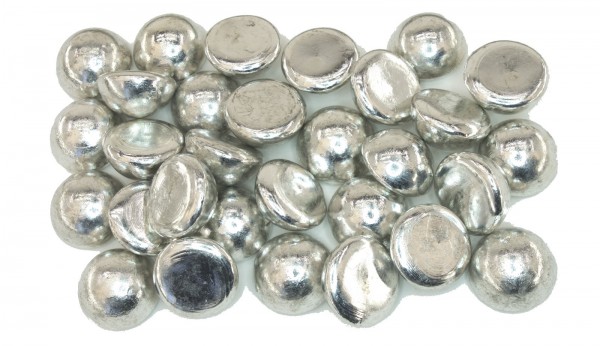
Tin is a silvery-white, malleable, and ductile metal with the chemical symbol Sn (from the Latin word “stannum”). It has a relatively low melting point of 231.9°C (449.4°F) and a boiling point of 2602°C (4716°F). Tin exists in two allotropic forms: alpha-tin (stable below 13.2°C) and beta-tin (stable above 13.2°C).
Chemically, tin is a stable element and resistant to corrosion due to the formation of a protective oxide layer on its surface. It has a relatively low reactivity and is not affected by water or air at room temperature. However, tin can react with strong acids and bases, as well as oxidizing agents.
Common Uses in Various Industries:
Tin has a wide range of applications across various industries, including:
- Food packaging: Tin is widely used for tin-plating steel cans and containers for food and beverage products, providing a safe and corrosion-resistant barrier.
- Soldering: Tin is a crucial component in various soldering alloys, which are used in electronics, plumbing, and other industries for joining metal components.
- Electroplating: Tin is used in electroplating processes to provide a protective and decorative coating on other metals, such as steel or copper.
- Glass production: Tin oxide is used as a decolorizing agent in the production of clear glass and as a coating for low-emissivity (low-E) glass, improving energy efficiency in buildings.
- Catalysts: Tin-based catalysts are employed in various chemical processes, such as the production of polyesters and the synthesis of pharmaceutical intermediates.
- Environmental Considerations Related to Tin Production and Use:
- While tin is considered relatively environmentally friendly, its mining and production processes can have potential environmental impacts that need to be addressed:
- Mining impact: Tin mining can lead to soil erosion, water pollution, and habitat destruction if not managed properly. Sustainable mining practices and effective environmental management systems are crucial to mitigate these impacts.
- Energy consumption: The production of tin involves energy-intensive processes, such as smelting and refining, which can contribute to greenhouse gas emissions and climate change.
- Waste management: The disposal of tin-plated products can contribute to waste accumulation if not recycled effectively. Proper recycling and waste management strategies are essential to reduce the environmental impact of tin use.
- Toxicity: While tin itself is relatively non-toxic, some tin compounds (e.g., organotin compounds) can be toxic and harmful to the environment and human health if not handled properly.
Recent Innovations and Advancements:
The field of materials science is constantly evolving, and tin has seen several recent innovations and advancements:
- Tin-based perovskite solar cells: Researchers are exploring the use of tin-based perovskite materials as promising candidates for high-efficiency and low-cost solar cells.
- Tin-based thermoelectric materials: Tin-based compounds, such as tin selenide (SnSe), are being investigated for their potential use in thermoelectric devices, which can convert waste heat into electricity.
- Tin-based catalysts for sustainable chemistry: Researchers are developing tin-based catalysts for various chemical processes, aiming to achieve higher efficiency, selectivity, and sustainability.
- Tin-based nanoparticles: Tin nanoparticles are being explored for various applications, including catalysis, energy storage, and biomedical applications, due to their unique properties at the nanoscale.
Tin is a versatile and historically significant metal that continues to play a crucial role in modern society. Its unique properties, widespread applications, and ongoing research and innovations make it an essential material in various industries. As materials science advances, tin is likely to remain a subject of interest, with potential for further advancements and sustainable solutions.
Sustainable mining practices:
Efforts are being made to implement more sustainable and environmentally friendly mining practices, such as using advanced technologies for mineral extraction and processing, as well as implementing effective land rehabilitation strategies.
The Role of Tin in the Context of Sustainable Development and Green Technologies:
Tin plays an increasingly important role in the context of sustainable development and green technologies due to its unique properties and applications:
- Renewable energy: Tin is being explored for use in solar cell technologies, such as tin-based perovskite solar cells, which offer the potential for high-efficiency and low-cost renewable energy generation.
- Energy efficiency: Tin oxide coatings are used in low-emissivity (low-E) glass, which helps improve energy efficiency in buildings by reducing heat transfer while allowing natural light to pass through.
- Catalysts for sustainable chemistry: Tin-based catalysts are being developed for various chemical processes, aiming to achieve higher efficiency, selectivity, and sustainability in areas like pharmaceutical synthesis and polymer production.
- Recycling and waste management: Tin is widely recyclable, and efforts are being made to promote effective recycling and waste management strategies for tin-plated products, reducing the environmental impact of tin usage.
Sustainable mining practices:
The tin industry is increasingly adopting more sustainable mining practices, such as using advanced technologies for mineral extraction and processing, as well as implementing effective land rehabilitation strategies to minimize environmental damage.
Future Prospects and Trends for Tin Usage in Emerging Technologies:
Tin continues to play a crucial role in various emerging technologies, and its usage is expected to grow in the following areas:
- Advanced energy storage: Tin-based materials, such as tin-based anodes for lithium-ion batteries, are being explored for their potential in improving energy density and cycling performance in advanced energy storage systems.
- Nanoelectronics and optoelectronics: The unique properties of tin nanostructures, such as tin nanoparticles and tin-based nanocomposites, are being investigated for applications in nanoelectronics, optoelectronics, and photonics.
- Biomedical applications: Tin-based nanoparticles and compounds are being researched for potential applications in biomedical fields, such as drug delivery, cancer therapy, and biosensing, due to their unique properties and biocompatibility.
- Sustainable catalysis: The development of tin-based catalysts for various chemical processes is expected to continue, with a focus on improving efficiency, selectivity, and sustainability in areas like pharmaceuticals, polymers, and renewable energy production.
- Additive manufacturing: The use of tin-based alloys and materials in additive manufacturing techniques, such as 3D printing, is being explored for applications in sectors like aerospace, automotive, and medical devices.
As research and development efforts continue, tin is likely to play an increasingly important role in addressing global challenges related to energy, sustainability, and emerging technologies, while also driving innovation and technological advancements across various industries.
Austin Okonji is our resident SEO expert, equipped with years of experience and a passion for driving organic traffic and improving online visibility. With a proven track record of success, Austin combines technical expertise with strategic insights to help businesses thrive in the digital landscape. (jayvickswriters@gmail.com)