Coal In Nigeria: Balancing Economic Needs With Environmental And Social Responsibility – A Comprehensive Look At Nigerian Coal
In this post, I am going to give you a detailed explanation of the formation process of Nigerian Coal, its geological significance, common uses, and environmental impact.We will look at the mining techniques employed for Coal extraction, safety measures, and any notable challenges faced in the industry.
We will also cover insights on the market trends, demand-supply dynamics, and the economic importance of Coal in Nigeria.
This article will provide examples of famous Coal mines in the Nigeria, historical significance, and potential future developments. The right information on the quality assessment criteria for Coal, its classification, and how it compares to other solid minerals will be covered.
We will also provide you with practical tips for investors interested in the Coal industry and advice for sustainable practices in mining and exporting Coal.
Nigerian Coal: A Miner’s Dream
Alright, I’m ready to take you on a deep dive into the world of Nigerian Coal.
From Sunshine to Black Gold:
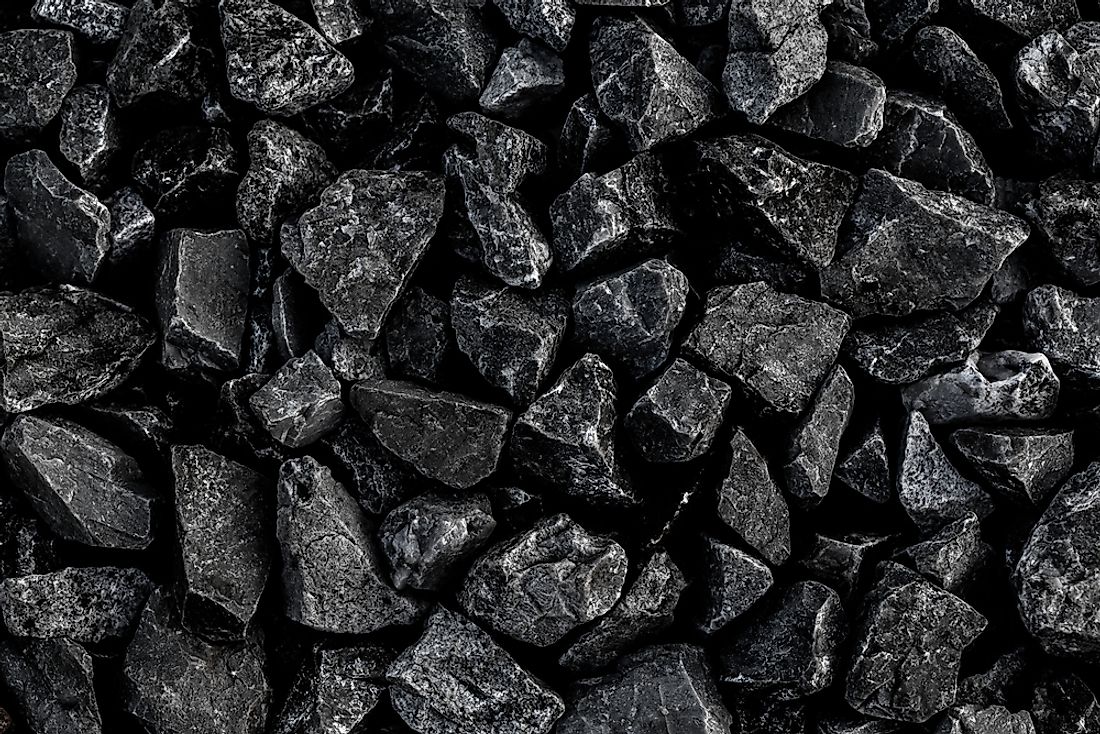
Coal formation is a fascinating story. Millions of years ago, lush swamps covered parts of Nigeria. When these plants died and weren’t fully decomposed due to lack of oxygen, they became buried under sediment. Over time, the pressure and heat transformed them into the coal seams we see today. Geologically, this process tells us about ancient climates and ecosystems that lead to the formation of coal.
The Many Faces of Coal:
Coal’s primary use is as a fuel for power generation, though it can also be used in steel production. However, this comes at a cost – burning coal releases greenhouse gasses, contributing to climate change.
Extracting the Treasure:
There are two main mining techniques in Nigeria: surface mining, which removes the top layers to access the coal seam, and underground mining, which involves digging tunnels. Safety is paramount – proper ventilation and support structures are crucial to prevent accidents.
A Challenging Landscape:
The Nigerian coal industry faces several challenges. These include outdated infrastructure, illegal mining practices, and environmental concerns.
Market Dynamics:
Coal demand fluctuates based on global energy needs. While Nigeria has vast reserves, production is relatively low compared to other African countries. However, with a growing population and increasing energy demands, domestic coal use is expected to rise.
A Walk Through History:
The Enugu region boasts famous coal mines like Ogbete, which played a significant role in Nigeria’s colonial past. Coal revenue fueled infrastructure development and even influenced the amalgamation of Nigeria.
Looking Forward:
The future of Nigerian coal hinges on a delicate balance. Technological advancements for cleaner coal utilization and stricter environmental regulations are crucial.
The Coal Report Card:
Coal quality is assessed based on factors like heat content, ash content, and sulfur content. Higher heat content and lower ash and sulfur content translate to better quality coal. Compared to other solid minerals, coal offers readily available energy but with a higher environmental impact.
Investing Wisely:
For investors, thorough research on mining regulations, environmental standards, and market trends is essential. Partnering with experienced local companies can be invaluable.
Sustainable Solutions:
Sustainable practices involve minimizing waste, land reclamation after mining, and exploring cleaner coal technologies like gasification.
Remember, responsible mining is critical to ensuring a bright future for the Nigerian coal industry.
Nigerian Coal: A Miner’s Deep Dive
We have started looking into the heart of Nigerian coal, but there’s more to explore! Let’s continue our deep dive:
Formation Process of Coal:
Coal formation, called coalification, is a multi-stage process. Here’s a simplified breakdown:
- Plant Growth: Lush swamps thrived in what’s now Nigeria, teeming with plant life.
- Organic Deposition: When these plants died, they weren’t fully decomposed due to limited oxygen, forming peat.
- Burial and Compaction: Over time, sediment layers buried the peat, increasing pressure and heat.
- Coalification: Pressure and heat transformed the peat into various coal ranks – lignite (low-grade), bituminous (medium-grade), and anthracite (high-grade).
Geological Significance of Coal:
Coal seams act as time capsules, revealing information about past climates and ecosystems trapped within fossilized plant matter. They can help us understand ancient atmospheric conditions, plant life diversity, and geological processes.
Common Uses of Coal:
- Power Generation: Coal remains a significant fuel source for power plants, although its use is declining due to environmental concerns.
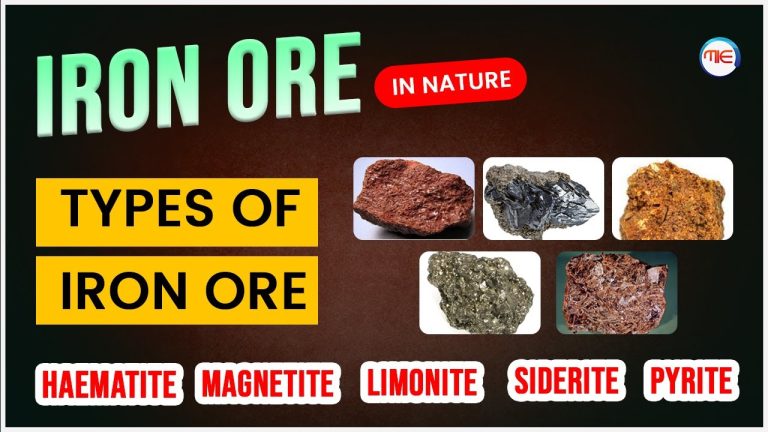
- Steel Production: Coking coal, a specific type, is crucial for smelting iron ore in steel production.
- Other Uses: Coal can also be used in the production of chemicals, cement, and as a liquid fuel source through gasification processes.
Environmental Impact of Coal Mining:
- Greenhouse Gas Emissions: Burning coal releases significant amounts of carbon dioxide, a major greenhouse gas contributing to climate change.
- Air and Water Pollution: Mining activities can release dust and harmful pollutants into the air and water bodies.
- Land Degradation: Mining disrupts natural landscapes and can lead to soil erosion and deforestation.
Mining Techniques for Coal Extraction:
- Surface Mining: Suitable for shallow coal seams, it involves removing overburden (top layers) to access the coal. This can be further categorized as open-pit mining and strip mining.
- Underground Mining: For deeper seams, miners create tunnels to access the coal. This method can be further categorized as room and pillar mining and longwall mining.
Safety Measures in Coal Mining:
- Ventilation: Proper ventilation systems are crucial to remove harmful gases like methane and ensure adequate oxygen supply.
- Roof Support: Strong support structures are essential to prevent cave-ins and protect miners.
- Safety Equipment: Miners must wear personal protective equipment like hard hats, respirators, and fire-resistant clothing.
- Emergency Preparedness: Strict protocols and training are essential for emergency situations.
Challenges Faced in the Coal Industry:
- Outdated Infrastructure: Nigeria’s coal mining infrastructure needs modernization for efficient and safe operations.
- Illegal Mining: Illegal mining practices not only compromise safety but also contribute to environmental degradation.
- Environmental Concerns: Balancing coal production with environmental protection is a major challenge.
- Competition from Gas: The discovery and exploitation of natural gas resources pose a competitive threat to coal.
Market Trends for Coal in Nigeria:
The global push towards cleaner energy sources is decreasing the demand for coal. However, Nigeria’s growing population and rising energy needs are expected to increase domestic coal consumption in the short to medium term.
Demand-Supply Dynamics of Coal:
Demand for coal in Nigeria is primarily driven by domestic power generation needs. Supply depends on factors like the efficiency of mining operations, available reserves, and import/export activity (limited currently).
Economic Importance of Coal:
Coal has historically played a significant role in Nigeria’s economy. It provided revenue for infrastructure development and job creation. However, its future economic importance will likely shift towards supporting domestic energy needs rather than being a major export commodity.
Famous Coal Mines in Nigeria:
- Ogbete Mine: Located in Enugu, it was the first operational mine in Nigeria and played a pivotal role in the country’s colonial history.
- Other Notable Mines: Other prominent mines include Iva Valley, Orukpa, and Okaba, all located within the Enugu coalfields.
Historical Significance of Coal Mining:
Coal discovery and subsequent mining activities significantly impacted Nigeria’s history. Coal revenue fueled infrastructure development in the early 20th century and even influenced the amalgamation of northern and southern Nigeria into a single colony.
Future Developments in the Coal Industry:
The future of coal in Nigeria hinges on technological advancements. Cleaner coal utilization technologies like gasification and carbon capture and storage (CCS) could make coal a more sustainable option.
Quality Assessment Criteria for Coal:
- Heat Content (Calorific Value): Higher heat content indicates more energy is released when burnt.
- Ash Content: Lower ash content translates to cleaner burning and less waste.
Nigerian Coal: A Miner’s Deep Dive
Continuing our exploration of Nigerian coal, let’s delve into the remaining topics:
Innovative Technologies in Coal Mining:
Remote-controlled Machinery: Automating heavy machinery like continuous miners and longwall shearers reduces risks for miners by keeping them away from hazardous areas.
- Drones and LiDAR: Drones equipped with LiDAR (Light Detection and Ranging) technology can be used for 3D mapping of mines, improving safety and planning.
- Sensor Technology: Sensors can monitor air quality, ground stability, and methane levels, helping to prevent accidents and improve efficiency.
- Coal Washing: This process removes impurities like ash and sulfur, improving the quality and environmental impact of the coal.
Environmental Regulations Governing Coal Mining:
Nigeria has environmental regulations in place for coal mining. These typically fall under the purview of the Federal Ministry of Environment and cover aspects like:
- Environmental Impact Assessments (EIAs): Mandatory for new mining projects to identify and mitigate potential environmental impacts.
- Waste Management: Regulations govern the disposal of mining waste like overburden and coal refuse to minimize environmental damage.
- Land Reclamation: Companies are required to have plans for reclaiming mined land after operations cease.
- Emission Standards: Limits are set on air and water pollutants released during mining activities.
It’s important to note that enforcement of these regulations can be a challenge.
Social Impact of Coal Mining on Local Communities:
Coal mining can have both positive and negative social impacts on local communities:
- Positive Impacts: Job creation, improved infrastructure development in mining areas due to company investments.
- Negative Impacts: Displacement of communities due to land acquisition, air and water pollution leading to health problems, disruption of traditional livelihoods.
Austin Okonji is our resident SEO expert, equipped with years of experience and a passion for driving organic traffic and improving online visibility. With a proven track record of success, Austin combines technical expertise with strategic insights to help businesses thrive in the digital landscape. (jayvickswriters@gmail.com)