From FOMO To Freedom: Conquering Fear Of Missing Out While Building Your Budget
In this post, we are going to provide insights on managing finances while dealing with the Fear of Missing Out (FOMO). We will also delve into the following:
- Offer practical tips on setting financial goals and sticking to a budget.
- Explain the psychological impact of FOMO on financial decision-making.
- Share strategies for finding a balance between enjoying life and saving money.
- Discuss the importance of prioritizing needs over wants in budgeting.
- Include examples of how to resist impulsive spending triggered by FOMO.
- Suggest ways to cultivate a mindset of financial freedom and contentment.
As a financial advisor specializing in budgeting and overcoming FOMO (Fear of Missing Out), I understand the challenges of managing finances while being tempted by the desire to keep up with others or experience the latest trends. FOMO can significantly impact our financial decision-making, often leading to impulsive spending and compromising our long-term financial goals. Here are some insights and practical tips to help you find a balance between enjoying life and saving money.
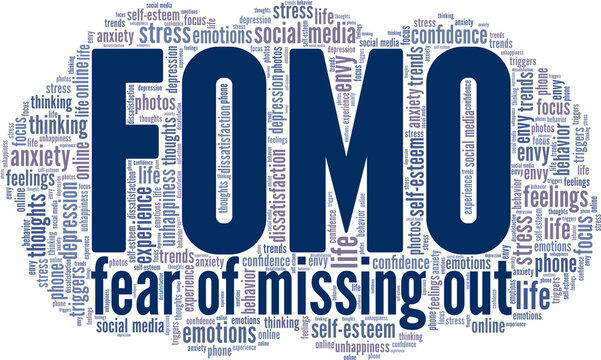
- Understand the psychological impact of FOMO: FOMO is a form of social anxiety that stems from the fear of missing out on exciting experiences or opportunities that others seem to be enjoying. This fear can lead to a sense of scarcity and urgency, prompting us to make hasty financial decisions without considering the consequences. It’s important to recognize this psychological impact and learn to manage it effectively.
- Set clear financial goals and prioritize needs over wants: One of the most effective ways to overcome FOMO and manage your finances is to set clear financial goals. Identify your short-term and long-term goals, such as saving for an emergency fund, paying off debt, or planning for retirement. Once you have established your goals, prioritize your needs over wants. Distinguish between essential expenses and discretionary spending, and allocate your funds accordingly.
- Create a realistic budget and stick to it: Develop a detailed budget that accounts for your income, essential expenses, and discretionary spending. Allocate a reasonable amount for discretionary spending, allowing you to indulge in occasional treats without derailing your financial plan. Review your budget regularly and make adjustments as needed to ensure you stay on track.
- Cultivate a mindset of contentment and financial freedom: FOMO often stems from a sense of dissatisfaction or a desire to keep up with others. Cultivate a mindset of contentment by focusing on your own goals, values, and achievements. Recognize that true happiness and fulfillment come from within, not from material possessions or experiences. Embrace financial freedom by living within your means and prioritizing savings and investments.
- Resist impulsive spending triggered by FOMO: When you feel the urge to make an impulsive purchase due to FOMO, pause and reflect on your motivations. Ask yourself if this purchase aligns with your financial goals and values. Consider the long-term consequences and whether the short-term gratification is truly worth it. Implement a cooling-off period before making significant purchases, giving yourself time to evaluate the decision objectively.
- Find alternative ways to enjoy experiences: FOMO often stems from a desire to participate in social experiences or activities. Instead of succumbing to impulsive spending, explore alternative ways to enjoy these experiences without breaking the bank. Consider organizing potluck gatherings with friends, attending free community events, or engaging in low-cost hobbies and activities.
- Seek support and accountability: Overcoming FOMO and sticking to a budget can be challenging, especially in social situations or when faced with tempting marketing tactics. Seek support from friends, family members, or a financial accountability partner who shares similar values and goals. Surround yourself with positive influences that reinforce your commitment to financial responsibility.
Remember, managing finances while dealing with FOMO requires a mindset shift and a commitment to your long-term financial well-being. By implementing practical strategies and cultivating a mindset of contentment and financial freedom, you can enjoy life’s experiences without compromising your financial stability.
Delayed Gratification and Financial Planning:
Delayed gratification is the ability to resist the temptation for immediate pleasure or reward in favor of long-term benefits. This concept plays a crucial role in financial planning and overcoming FOMO. By delaying gratification, you can prioritize saving and investing for your future goals, rather than succumbing to the impulse of instant gratification through overspending.
Research has shown that individuals who can exercise delayed gratification tend to have higher financial well-being and are better equipped to achieve long-term financial objectives. Cultivating this mindset involves acknowledging that short-term sacrifices can lead to greater rewards in the future.
Prevalence of FOMO-Related Overspending:
The impact of FOMO on overspending is a widespread phenomenon. According to a survey by Slickdeals, a lifestyle and shopping platform, nearly 70% of Americans admitted to making an impulse purchase due to FOMO. Additionally, a study by Allianz Life Insurance Company of North America found that FOMO costs millennials an average of $3,008 per year in overspending.
These statistics highlight the pervasive nature of FOMO-driven spending and its potential to derail financial goals. It’s crucial to recognize this tendency and implement strategies to mitigate its impact on your budgeting efforts.
Creating a FOMO-Proof Budgeting System:
To create a FOMO-proof budgeting system, consider the following strategies:
- Allocate a reasonable “fun” or “discretionary” fund in your budget for occasional indulgences or social activities.
- Set up automatic transfers from your checking account to a dedicated savings account to prioritize saving before spending.
- Implement a waiting period (e.g., 24-48 hours) before making non-essential purchases, allowing the initial impulse to subside.
- Track your spending and identify triggers that lead to FOMO-related overspending, then develop strategies to address those triggers.
- Surround yourself with a supportive network of friends and family who share similar financial values and can hold you accountable.
Long-Term Benefits of Overcoming FOMO:
Overcoming FOMO and maintaining financial discipline can lead to numerous long-term benefits, including:
- Increased financial stability and security, allowing you to weather unexpected expenses or economic downturns.
- Reduced stress and anxiety associated with overspending and debt.
- Ability to achieve long-term financial goals, such as homeownership, retirement savings, or financing education.
- Greater overall well-being and sense of control over your financial future.
- Increased confidence and self-esteem from practicing financial responsibility.
Real-Life Scenarios of Managing FOMO While Budgeting:
Many individuals have successfully managed FOMO while sticking to their budgets. Here are a few real-life scenarios:
- Sarah, a recent graduate, felt the pressure to keep up with her friends’ extravagant weekend outings and vacations. She recognized her FOMO tendencies and implemented a strict budget, allocating a fixed amount for social activities each month. By prioritizing her long-term goals, Sarah was able to save for a down payment on her first home while still enjoying occasional outings within her budget.
- Mike, a mid-career professional, struggled with the desire to constantly upgrade his gadgets and technology. To combat FOMO, he created a technology replacement fund within his budget, allowing him to save for planned upgrades instead of making impulsive purchases. By exercising delayed gratification, Mike successfully managed his FOMO while maintaining his financial goals.
- Jessica and her partner felt the pressure to keep up with their friends’ lavish weddings and honeymoons. Instead of going into debt, they planned a modest yet meaningful celebration within their budget and opted for a more affordable honeymoon. By resisting FOMO and prioritizing their long-term financial stability, they were able to start their married life without the burden of excessive debt.
These real-life examples demonstrate that overcoming FOMO while budgeting is achievable with the right mindset, strategies, and commitment to long-term financial well-being.
Differentiating Between Essential Expenses and FOMO-Driven Purchases:
To differentiate between essential expenses and FOMO-driven purchases, it’s important to establish clear priorities and evaluate your motivations. Essential expenses are those that are necessary for your basic needs, such as housing, utilities, food, transportation, and insurance. FOMO-driven purchases, on the other hand, are often discretionary and driven by a desire to keep up with others or experience the latest trends.
Ask yourself the following questions when considering a purchase:
- Is this item or experience truly essential for my well-being or that of my family?
- Am I purchasing this solely because of the fear of missing out on what others are doing or having?
- Will this purchase align with my long-term financial goals, or is it a short-term impulse?
- Can I find a more affordable alternative or postpone this purchase without significant consequences?
By critically evaluating your motivations and prioritizing essential needs over desires fueled by FOMO, you can make more mindful financial decisions.
Tracking and Analyzing Spending Patterns to Identify FOMO Triggers:
Effective ways to track and analyze your spending patterns to identify FOMO triggers include:
- Use budgeting apps or spreadsheets to categorize your expenses and identify areas of overspending.
- Review your bank and credit card statements regularly to identify recurring FOMO-driven purchases.
- Keep spending journals or diary, noting not only the purchases but also the emotions and circumstances surrounding them.
- Analyze your social media habits and identify instances where exposure to others’ experiences or possessions triggered a desire to spend.
- Reflect on your spending patterns during specific events or seasons, such as holidays, vacations, or social gatherings.
By carefully tracking and analyzing your spending, you can gain valuable insights into your triggers and develop strategies to address them proactively.
Connection Between Emotional Well-Being and Financial Decision-Making: There is a strong connection between emotional well-being and financial decision-making, especially in the context of FOMO. FOMO often stems from a sense of dissatisfaction, envy, or insecurity, which can lead to impulsive and emotionally-driven spending.
When individuals experience negative emotions like anxiety, low self-esteem, or a lack of self-worth, they may be more susceptible to FOMO and seek validation or fulfillment through material possessions or experiences. This emotional vulnerability can cloud rational decision-making and lead to overspending as a coping mechanism.
On the other hand, individuals with a strong sense of self-worth, contentment, and emotional resilience are better equipped to manage FOMO and make rational financial decisions aligned with their long-term goals. By cultivating emotional well-being through practices such as mindfulness, self-care, and fostering positive relationships, individuals can develop the emotional resilience necessary to resist FOMO pressures and maintain financial stability.
Striking a Balance Between Enjoying Experiences and Saving for the Future:
Striking a balance between enjoying experiences and saving for the future without succumbing to FOMO pressures requires intentionality and mindful planning. Here are some strategies to consider:
- Allocate a reasonable portion of your budget for discretionary spending and experiences, ensuring it aligns with your overall financial goals.
- Prioritize experiences that align with your values and interests, rather than following trends or societal pressures.
- Seek out affordable or free experiences, such as exploring local parks, attending community events, or engaging in hobbies with friends.
- Practice delayed gratification by saving for more significant experiences or vacations, rather than indulging in impulse purchases.
- Reframe your mindset to focus on the quality of experiences over quantity or extravagance.
- Cultivate gratitude for the experiences you can afford and find joy in simple pleasures.
By striking this balance, you can enjoy life’s experiences without compromising your long-term financial stability or succumbing to the pressures of FOMO.
Reframing Mindset to Prioritize Long-Term Financial Goals:
Reframing your mindset to prioritize long-term financial goals over short-term desires influenced by FOMO involves a shift in perspective and a commitment to your values. Here are some strategies to consider:
- Clearly define your long-term financial goals, such as retirement savings, homeownership, or financial independence, and regularly remind yourself of their importance.
- Cultivate a mindset of contentment and gratitude for what you have, rather than constantly seeking external validation or material possessions.
- Surround yourself with a supportive network of individuals who share similar financial values and can reinforce your commitment to long-term goals.
- Practice mindfulness and self-reflection to identify the root causes of your FOMO tendencies and develop strategies to address them.
- Reframe your perspective on success and fulfillment, placing greater emphasis on personal growth, meaningful relationships, and experiences that align with your values.
- Celebrate your financial milestones and achievements, reinforcing the sense of progress and satisfaction in working towards your goals.
By reframing your mindset and aligning your decisions with your long-term financial goals and values, you can develop the resilience to resist the temptations of FOMO and maintain financial stability.
Remember, overcoming FOMO and managing your finances effectively is an ongoing process that requires commitment, self-awareness, and a willingness to prioritize your long-term well-being over short-term gratification.
Austin Okonji is our resident Content Strategist and SEO expert, equipped with years of experience and a passion for driving organic traffic and improving online visibility. With a proven track record of success, Austin combines technical expertise with strategic insights to help businesses thrive in the digital landscape. (jayvickswriters@gmail.com)