How AI is Revolutionizing Web Development and Data Analysis: The Future is Here
Discover how artificial intelligence is transforming web development and data analysis. Learn about AI-driven tools, trends, and applications shaping the future of tech. Click to explore!
Introduction:
The digital landscape is evolving at an unprecedented pace, and at the heart of this transformation lies artificial intelligence (AI). Once a futuristic concept, AI is now a tangible force reshaping industries, particularly web development and data analysis. From automating mundane tasks to delivering personalized user experiences, AI is revolutionizing how we build and interact with websites. But what does this mean for developers, businesses, and end-users? In this article, we’ll dive deep into the applications of AI in web development and data analysis, exploring how this technology is not just enhancing efficiency but also redefining creativity and innovation. Whether you’re a tech enthusiast, a seasoned developer, or a business owner, understanding the rise of AI is crucial to staying ahead in today’s competitive digital world. Let’s explore how AI is paving the way for smarter, faster, and more intuitive web solutions.
The Rise of Artificial Intelligence: Applications in Web Development and Data Analysis
Artificial intelligence has transitioned from being a buzzword to a cornerstone of modern technology. Its applications are vast, but its impact on web development and data analysis is particularly profound. Let’s break down how AI is transforming these fields.
AI in Web Development
Web development has always been a dynamic field, but AI is taking it to new heights. Here are some key ways AI is making waves:
- Automated Code Generation:
Tools like GitHub’s Copilot leverage AI to assist developers by suggesting code snippets, debugging, and even writing entire functions. This not only speeds up the development process but also reduces human error.
- Personalized User Experiences:
AI-powered algorithms analyze user behavior to deliver tailored content, recommendations, and layouts. For instance, e-commerce websites use AI to show products based on browsing history, increasing engagement and conversion rates.
- Chatbots and Virtual Assistants:
AI-driven chatbots provide instant customer support, answering queries and guiding users through websites. These bots are becoming increasingly sophisticated, capable of handling complex interactions with natural language processing (NLP).
- Enhanced Design Tools:
Platforms like Wix and Squarespace are integrating AI to help users design websites effortlessly. AI suggests layouts, color schemes, and fonts based on the user’s preferences and industry standards.
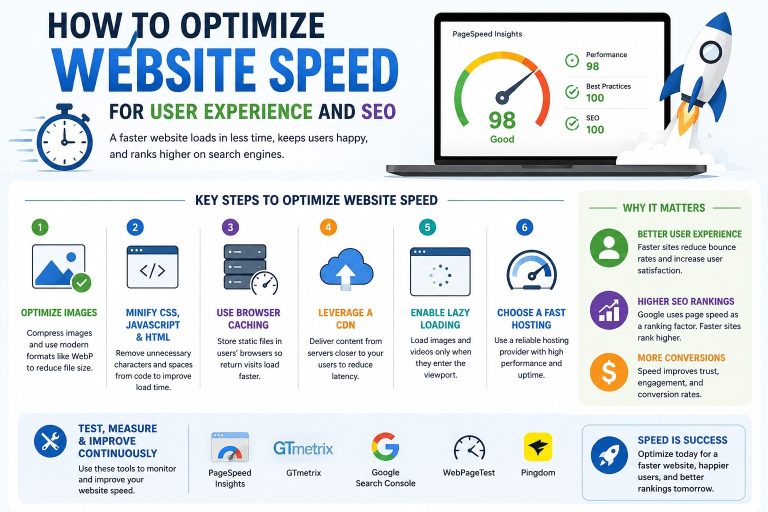
- Performance Optimization:
AI tools monitor website performance in real-time, identifying bottlenecks and suggesting improvements. This ensures faster load times and a seamless user experience.
AI in Data Analysis
Data is the backbone of decision-making, and AI is revolutionizing how we analyze and interpret it. Here’s how:
- Predictive Analytics:
AI algorithms analyze historical data to predict future trends. Businesses use this to forecast sales, customer behavior, and market shifts, enabling proactive decision-making.
- Data Cleaning and Preparation:
Cleaning and organizing data is often time-consuming. AI automates this process, ensuring accurate and reliable datasets for analysis.
- Real-Time Insights:
AI-powered tools process vast amounts of data in real-time, providing instant insights. This is particularly useful in industries like finance and healthcare, where timely decisions are critical.
- Natural Language Processing (NLP):
NLP allows AI to analyze unstructured data, such as customer reviews or social media posts, extracting valuable insights that would be difficult to obtain manually.
- Visual Data Analysis:
AI tools like Tableau use machine learning to create interactive visualizations, making complex data easier to understand and interpret.
The Synergy Between Web Development and Data Analysis
The integration of AI in web development and data analysis creates a powerful synergy. For example, AI-driven analytics can inform web design decisions, ensuring websites are optimized for user engagement. Similarly, data collected from website interactions can be analyzed to improve marketing strategies and customer experiences.
Challenges and Ethical Considerations
While AI offers numerous benefits, it’s not without challenges. Data privacy, algorithmic bias, and the potential for job displacement are significant concerns. Developers and businesses must prioritize ethical AI practices to ensure transparency and fairness.
The Future of AI in Web Development and Data Analysis
The future looks promising. As AI continues to evolve, we can expect even more advanced tools and applications. From AI-generated websites to real-time predictive analytics, the possibilities are endless. The key is to embrace this technology responsibly, leveraging its potential to drive innovation and growth.
Summary:
Artificial intelligence is no longer a futuristic concept—it’s here, and it’s transforming web development and data analysis in remarkable ways. From automating code generation to delivering personalized user experiences, AI is enhancing efficiency and creativity in web development. In data analysis, AI is enabling predictive analytics, real-time insights, and advanced data visualization. While challenges like data privacy and ethical concerns remain, the potential of AI is undeniable. As we move forward, embracing AI responsibly will be crucial to unlocking its full potential. Whether you’re a developer, business owner, or tech enthusiast, understanding AI’s role in these fields is essential to staying ahead in the digital age.
#ArtificialIntelligence #WebDevelopment #DataAnalysis #AIinTech #FutureOfWeb #TechInnovation #AITools #WebDesign #DataDriven #AIRevolution