How AI is Revolutionizing Web Design: Must-Know Tools and Smart Strategies
Discover how AI is transforming web design with cutting-edge tools and strategies. Learn how to stay ahead in the digital game—read now to unlock the future of web development!
The Role of AI in Web Design: Tools and Strategies
Introduction
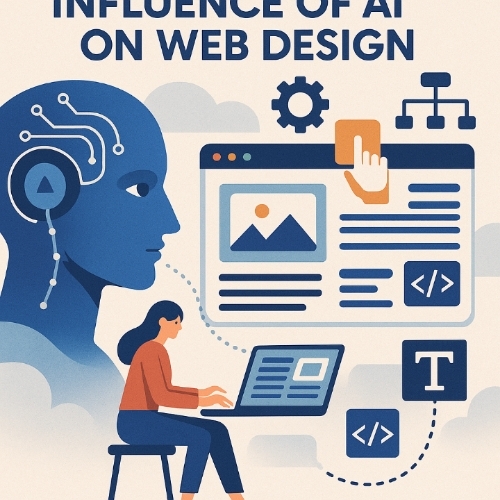
Imagine a world where websites design themselves, where layouts adjust perfectly to user preferences, and where coding errors are fixed before they even happen. Thanks to artificial intelligence, this future is already here. AI is no longer just a buzzword—it’s a game-changer in web design, making the process faster, smarter, and more intuitive than ever before.
Whether you’re a seasoned developer or just starting, understanding AI’s role in web design is crucial. From automated design tools to AI-powered analytics, the technology is reshaping how we build and optimize websites. In this article, we’ll explore the top AI tools, smart strategies, and real-world applications that are setting new standards in the industry. Ready to see how AI can elevate your web design skills? Let’s go.
How AI is Changing Web Design
Gone are the days of manually coding every element of a website. AI now handles everything from generating layouts to optimizing user experiences. Here’s how:
- Automated Design Tools
AI-powered platforms like Wix ADI and Firedrop analyze user preferences and generate complete website designs in minutes. These tools use machine learning to suggest color schemes, fonts, and layouts based on industry trends.
- Smarter User Experiences
AI tracks visitor behavior to personalize content dynamically. Chatbots, recommendation engines, and adaptive interfaces ensure users get a tailored experience, increasing engagement and conversions.
- Faster Development with AI Coding Assistants
Tools like GitHub Copilot and Tabnine use AI to suggest code snippets, detect errors, and even write entire functions, speeding up development while reducing mistakes.
- Enhanced SEO and Analytics
AI-driven tools like SurferSEO and MarketMuse analyze top-ranking content to suggest optimizations, helping websites rank higher with minimal manual effort.
- Voice and Visual Search Optimization
With AI, websites now adapt to voice search queries and image-based searches, making them more accessible and future-proof.
Top AI Tools for Web Designers
Here are some must-try AI tools revolutionizing the field:
– Figma AI: Automates repetitive design tasks and suggests improvements.
– Adobe Sensei: Enhances creativity with AI-powered photo editing and layout suggestions.
– Bookmark’s AIDA: Builds websites in seconds by learning user preferences.
– Uizard: Transforms hand-drawn sketches into functional prototypes.
– ChatGPT for Web Dev: Generates code, content, and UX suggestions on demand.
Smart Strategies for Integrating AI
To make the most of AI in web design, follow these strategies:
- Start Small: Use AI for repetitive tasks like resizing images or debugging code before diving into full automation.
- Focus on Personalization: Leverage AI to analyze user data and deliver customized experiences.
- Stay Updated: AI evolves rapidly—subscribe to industry blogs and test new tools regularly.
- Combine AI with Human Creativity: Let AI handle technical tasks while you focus on innovative design concepts.
Summary
AI is transforming web design by automating tasks, enhancing user experiences, and speeding up development. From AI-generated layouts to intelligent coding assistants, the technology offers endless possibilities for professionals. By leveraging the right tools and strategies, designers can stay ahead in a competitive digital landscape. Whether you’re optimizing for SEO, personalizing content, or simplifying coding, AI is the ultimate ally in modern web design.
#AIDesign #WebDevelopment #TechTrends #AIInnovation #WebDesign #DigitalTransformation #FutureOfTech #UXDesign #Coding #SmartTools