Why Responsive Design Is Non-Negotiable in 2025 (And How to Get It Right)
Discover why responsive design is crucial in 2025 for better user experience, SEO rankings, and business growth. Learn key strategies to stay ahead in web development!
What Is Responsive Design and Why It Matters in 2025
Introduction
Imagine visiting a website on your phone, only to find tiny text, misplaced buttons, and images that won’t load properly. Frustrating, right? That’s where responsive design comes in. In 2025, with more people browsing on smartphones, tablets, and even smartwatches, having a website that adapts to any screen size isn’t just nice—it’s essential.
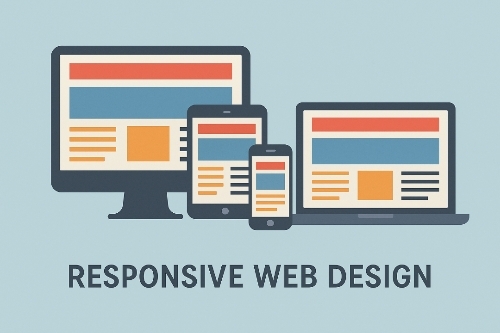
Responsive design ensures your site looks great and works smoothly, whether someone’s using a laptop, a foldable phone, or a tablet. But why does it matter more now than ever? From boosting SEO rankings to improving user experience, responsive design is a game-changer. Let’s dive into what it is, why it’s critical in 2025, and how you can implement it effectively.
Important Phrases Explained
1. Mobile-First Design
Mobile-first design means creating a website starting with the mobile version before scaling up to larger screens. Since most users browse on mobile devices, this approach ensures the best performance and usability on smaller screens first.
2. Fluid Grid Layouts
A fluid grid layout uses relative units like percentages instead of fixed pixels, allowing elements to resize smoothly based on screen size. This flexibility is key to responsive design.
3. Breakpoints in CSS
Breakpoints are specific screen widths where a website’s layout adjusts to fit the display. Designers set these in CSS to ensure content rearranges properly on different devices.
4. Flexible Images
Flexible images resize within their containers to prevent distortion or overflow. Using CSS properties like max-width: 100% ensures images scale correctly on any device.
5. Cross-Device Compatibility
This means a website functions well across all devices—phones, tablets, desktops, and emerging tech like foldable screens. It’s a core goal of responsive design.
Questions People Also Asked
1. What is the main purpose of responsive design?
Responsive design ensures a website adjusts seamlessly to any screen size, improving user experience and accessibility. Without it, users may struggle with navigation, leading to higher bounce rates.
2. How does responsive design affect SEO?
Google prioritizes mobile-friendly sites in search rankings. A responsive design boosts SEO by reducing load times, improving usability, and ensuring content is easily crawlable across devices.
3. What’s the difference between responsive and adaptive design?
Responsive design fluidly adjusts to any screen, while adaptive design uses predefined layouts for specific devices. Responsive is more flexible and future-proof.
4. Can a website be responsive without frameworks like Bootstrap?
Yes, you can build a responsive site with pure CSS and HTML. However, frameworks like Bootstrap simplify the process with pre-built grids and components.
5. Is responsive design still relevant in 2025?
Absolutely! With new devices like foldable phones and AR glasses, responsive design is more important than ever to ensure compatibility and usability.
Summary
Responsive design is no longer optional—it’s a necessity in 2025. With users accessing websites from countless devices, a seamless, adaptable experience is crucial for engagement, SEO, and business success. By understanding mobile-first design, fluid grids, breakpoints, and flexible images, you can create websites that look and perform flawlessly everywhere. Whether you’re a developer, designer, or business owner, prioritizing responsive design ensures you stay ahead in an ever-evolving digital landscape.
#ResponsiveDesign #WebDevelopment #MobileFirst #UXDesign #SEO2025 #TechTrends #DigitalTransformation #WebDesign #UserExperience