Immersive Web Experiences: How AR, VR, and MR Are Changing the Internet Forever
Discover how augmented reality (AR), virtual reality (VR), and mixed reality (MR) are transforming websites into immersive worlds. Learn key technologies, real-world applications, and future trends.
Introduction
Imagine browsing a website where you can walk through a virtual store, try on clothes without touching them, or explore a 3D model of a city just by scrolling. Sounds like sci-fi? It’s happening right now. The integration of augmented reality (AR), virtual reality (VR), and mixed reality (MR) is turning ordinary websites into mind-blowing, interactive experiences.
But here’s the kicker—this isn’t just for gamers or tech geeks. Businesses, educators, and even social media platforms are jumping on board. If your website isn’t thinking about immersive tech yet, you might be left behind. So, how exactly are these technologies reshaping the web? And what does this mean for you? Buckle up—we’re diving deep.
The Rise of Immersive Web Experiences:
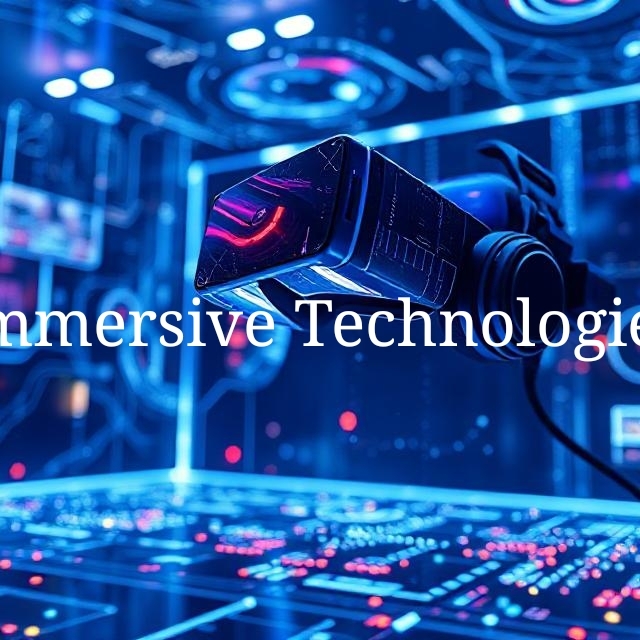
The internet is no longer just pages of text and images. With AR, VR, and MR, websites are becoming dynamic spaces where users don’t just watch—they participate.
– Augmented Reality (AR) overlays digital elements onto the real world (think Snapchat filters or IKEA’s furniture preview).
– Virtual Reality (VR) immerses users in a fully digital environment (like Oculus Rift games).
– Mixed Reality (MR) blends both, allowing digital and physical objects to interact (Microsoft HoloLens is a great example).
These technologies are making websites more engaging, improving user retention, and even boosting sales. For example, real estate sites now offer 3D home tours, and e-commerce stores let you “try before you buy” with AR.
Important Phrases Explained:
- WebXR – A set of standards allowing AR and VR experiences directly in web browsers without extra apps. It’s the backbone of immersive web tech.
- Spatial Computing – How devices understand and interact with physical space, crucial for MR experiences.
- Haptic Feedback – Technology that lets users “feel” digital interactions, like vibrations when touching a virtual object.
- 360-Degree Content – Media that lets users look in every direction, often used in VR tours and marketing.
- Digital Twin – A virtual replica of a real-world object or space, used in simulations and training.
Questions Also Asked by Other People Answered:
- Will AR/VR replace traditional websites?
Not entirely, but they’ll become a major part of web design. Many sites will offer both standard and immersive versions.
- Do users need special devices for immersive web experiences?
Some experiences require VR headsets, but many AR features work on smartphones with just a camera.
- Is immersive tech expensive to implement?
Costs vary, but tools like WebXR and AR.js are making it more affordable for developers.
- Which industries benefit most from immersive web tech?
Real estate, e-commerce, education, healthcare, and entertainment see the biggest advantages.
- What’s the future of immersive web experiences?
Expect more AI integration, better hardware, and mainstream adoption in social media and remote work.
Summary:
Immersive technologies like AR, VR, and MR are revolutionizing how we interact with websites. From virtual shopping to interactive learning, these tools make digital experiences more engaging than ever. While adoption is still growing, businesses that embrace these trends early will have a competitive edge. The future of the web isn’t just about reading—it’s about experiencing.
#ImmersiveTech #AugmentedReality #VirtualReality #MixedReality #WebDevelopment #FutureOfWeb #TechTrends #DigitalTransformation #WebXR #InteractiveDesign