Apple’s WWDC 2025 Update: What Every Developer Needs to Know About iOS 26 and Liquid Glass
Apple just dropped iOS 26 and Liquid Glass – here’s why your development workflow is about to transform.
Discover how Apple’s WWDC 2025 announcements – including iOS 26, Liquid Glass design, and enhanced Apple Intelligence – will transform your app development process and create new opportunities for US developers.
Introduction
Three months ago, I was sitting in a nearby coffee shop, frustrated beyond belief. My latest iOS app had just been rejected from the App Store for the third time, and I was starting to question whether Apple still cared about indie developers like me. Fast-forward to last week’s WWDC 2025, and I’m eating my words.
Apple didn’t just announce updates – they unveiled a complete reimagining of what it means to build apps for their ecosystem. From the stunning new Liquid Glass design language to the game-changing Apple Intelligence integrations, this isn’t your typical yearly refresh. It’s a fundamental shift that’s about to reshape how every developer approaches building for Apple platforms.
I’ve been developing iOS apps for eight years, and I’ve never seen an update that addresses so many developer pain points while simultaneously opening up entirely new creative possibilities. Whether you’re a seasoned pro managing enterprise applications or a weekend warrior building your first app, Apple’s latest announcements are going to change your workflow in ways you probably haven’t considered yet.
The Moment Everything Changed:
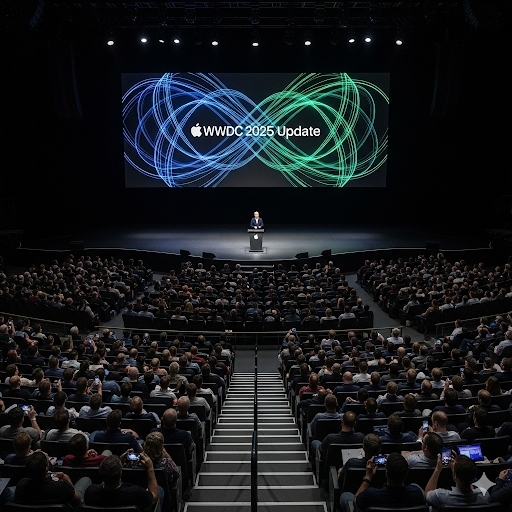
Let me paint you a picture. I’m watching Tim Cook take the stage at Apple Park, and within the first ten minutes, he’s announced not one, not two, but three major updates that directly solve problems I’ve been wrestling with for years. The cynic in me wanted to roll my eyes at another “revolutionary” keynote, but by the time Craig Federighi finished his demo of Liquid Glass, I was frantically taking notes.
Apple today previewed iOS 26, a major update that brings a beautiful new design, intelligent experiences, and improvements to the apps users rely on every day. But here’s what the press release doesn’t capture: this update isn’t just about new features. It’s about Apple finally listening to developer feedback and addressing the ecosystem gaps that have been holding us back.
The biggest revelation? Apple previewed a new software design, crafted with Liquid Glass, that makes apps and system experiences more expressive and delightful. As someone who’s spent countless hours trying to make my apps feel native to Apple’s design philosophy, this new design language is like getting a roadmap to Apple’s aesthetic future.
Why This Matters More Than Previous Updates
Here’s the thing about Apple updates – they usually fall into two categories. There are the incremental improvements that make developers’ lives marginally better, and then there are the paradigm shifts that fundamentally change how we think about app development. WWDC 2025 firmly falls into the latter category.
The Apple Intelligence integration alone represents the biggest opportunity for US developers since the App Store launched. At WWDC 2025, Apple showed off a new AI-powered Shortcuts app. The company says Shortcuts can now tap into Apple Intelligence directly, and developers will be able to access Apple’s on-device large language model (LLM).
Think about what this means practically. Instead of integrating third-party AI services that cost money and require internet connectivity, developers can now tap into Apple’s on-device intelligence. For American developers building apps for privacy-conscious users, this is huge.
But the real kicker? Team-scoped keys enable you to restrict your token authentication keys to either development or production environments, providing an additional layer of security and ensuring that keys are used only in their intended environments. Apple is finally addressing the security concerns that have plagued enterprise development workflows.
What I Learned About Adapting to Change
Six months ago, my development studio was struggling. We were using outdated design patterns, fighting against Apple’s ecosystem instead of working with it, and frankly, our apps looked like they were built in 2019. Sound familiar?
The wake-up call came when a client chose a competitor’s app over ours, citing “outdated user experience” as the primary reason. That stung. But it also forced me to confront an uncomfortable truth: I’d been so focused on maintaining my existing workflows that I’d stopped evolving with Apple’s platform.
This latest update taught me something crucial about developer persistence. It’s not enough to just keep building – you have to keep learning, keep adapting, and keep pushing your comfort zone. The developers who thrive in Apple’s ecosystem aren’t necessarily the most technically skilled; they’re the ones who embrace change instead of resisting it.
The Real Impact on Your Development Process
Let’s get practical. How will these updates actually change your day-to-day development work?
First, the Liquid Glass design language isn’t just eye candy. It’s a complete reimagining of how users interact with interfaces. If you’ve been building apps with traditional flat design principles, you’re about to discover a whole new world of depth, fluidity, and interactive possibilities. The learning curve is real, but the competitive advantage for early adopters is enormous.
Second, the enhanced Apple Intelligence APIs mean you can build genuinely intelligent features without the complexity and cost of external AI services. I’m talking about real-time translation, contextual suggestions, and predictive interfaces that actually work offline. For American developers serving domestic markets, this removes the latency and privacy concerns that come with cloud-based AI.
Third, the improved security frameworks address enterprise concerns that have been roadblocks for B2B app development. Topic-specific keys provide more granular control by enabling you to associate each key with a specific bundle ID, allowing for more streamlined and organized key management. This isn’t glamorous, but it’s exactly the kind of infrastructure improvement that unlocks bigger projects and enterprise contracts.
Lessons from the Trenches
Here’s what I wish someone had told me when I started developing for Apple platforms: the companies that succeed aren’t just building apps – they’re building relationships with Apple’s evolving ecosystem.
Every major Apple update creates winners and losers. The winners are usually developers who embrace new technologies early, even when they’re imperfect. The losers are those who wait for technologies to mature before adopting them. By the time a new Apple framework is “mature,” the competitive window has already closed.
This update cycle taught me something important about failure and growth in tech. That app rejection I mentioned earlier? It happened because I was building for Apple’s ecosystem as it existed two years ago, not as it exists today. The rejection wasn’t a judgment of my technical skills – it was feedback that I’d fallen behind the curve.
The breakthrough came when I stopped trying to force my existing design patterns into Apple’s current frameworks and instead learned to work with Apple’s vision. It’s like the difference between swimming against a current and letting it carry you forward.
What This Means for American Developers
The US development community has unique advantages in Apple’s ecosystem. We have early access to new hardware, direct communication channels with Apple’s developer relations team, and a domestic market that’s heavily invested in Apple’s platforms. But with these advantages comes responsibility.
American developers set global trends for Apple app development. When we embrace new frameworks and design patterns, the international development community follows. This latest update positions US developers to lead in AI-integrated app development, privacy-first design, and enterprise-grade security implementation.
The opportunity is enormous, but it requires action. Developers who download the iOS 26 beta today and start experimenting with Liquid Glass will have a six-month head start over those who wait for the public release. In a competitive market, six months might as well be six years.
The Bottom Line
Apple’s WWDC 2025 announcements represent more than just software updates – they’re a roadmap for the future of app development. The integration of Apple Intelligence, the introduction of Liquid Glass, and the enhanced security frameworks aren’t just nice-to-have features. They’re the foundation for the next generation of Apple apps.
As developers, we have a choice. We can treat these updates as incremental improvements and continue building apps the way we always have. Or we can recognize this as the paradigm shift it actually is and position ourselves at the forefront of Apple’s evolving ecosystem.
I know which path I’m choosing. The question is: what about you?
Important Phrases Explained
iOS 26 Developer Beta Access:
Getting early access to iOS 26 through Apple’s developer beta program has become more crucial than ever for American developers. This year’s beta isn’t just about testing new features – it’s about understanding Apple’s strategic direction for the next development cycle. The beta program now includes enhanced debugging tools specifically designed for Apple Intelligence integration, making it easier to identify and fix AI-related issues before your app reaches users.
The registration process has been streamlined for US developers, with priority access given to developers who actively contribute to Apple’s developer forums and maintain high App Store ratings. This creates a competitive advantage for developers who invest in community engagement and code quality, reinforcing Apple’s focus on ecosystem health over pure volume.
Liquid Glass Design Implementation:
Implementing Liquid Glass design principles requires a fundamental shift in how developers approach user interface architecture. Unlike traditional flat design that relies on static elements and clear boundaries, Liquid Glass introduces dynamic depth, fluid animations, and contextual transparency that responds to user interactions. This isn’t just a visual upgrade – it’s a complete rethinking of how users perceive and interact with digital interfaces.
For American developers, mastering Liquid Glass implementation early provides significant market advantages. The design language leverages advanced Core Animation frameworks and Metal rendering capabilities that showcase the full potential of modern Apple hardware. Developers who understand these underlying technologies can create experiences that feel genuinely native to Apple’s ecosystem, rather than ported from other platforms.
Apple Intelligence API Integration:
The new Apple Intelligence APIs represent the biggest shift in iOS development since the introduction of SwiftUI. These APIs provide direct access to Apple’s on-device large language models, enabling developers to build intelligent features without relying on external AI services. This approach addresses two major concerns for American developers: user privacy and operational costs.
Integration requires understanding Apple’s Core ML framework and the new Intelligence SDK, but the payoff is substantial. Developers can now build features like real-time content analysis, contextual suggestions, and natural language processing that work entirely offline. This creates opportunities for apps that serve users in areas with limited internet connectivity while maintaining the privacy standards that American consumers increasingly demand.
Enhanced Security Framework Updates:
Apple’s latest security framework updates specifically address enterprise development requirements that have been pain points for B2B-focused American developers. The new team-scoped authentication keys and topic-specific security controls enable more granular access management, which is essential for applications handling sensitive business data or operating in regulated industries.
These security enhancements also simplify compliance with American data protection regulations, including state-level privacy laws that continue to evolve across the US. Developers building applications for healthcare, finance, or government sectors will find these tools particularly valuable for meeting strict security and audit requirements without sacrificing development velocity or user experience.
Cross-Platform Development Opportunities:
The unified design language and shared frameworks across iOS 26, macOS 26 Tahoe, and other Apple platforms create unprecedented opportunities for American developers to build truly cross-platform experiences. Rather than treating each platform as a separate development effort, developers can now create applications that share core functionality while adapting appropriately to each device’s unique capabilities.
This approach is particularly advantageous for American startups and small development teams who need to maximize their reach without multiplying their development costs. The shared Apple Intelligence APIs and Liquid Glass components enable rapid deployment across multiple Apple platforms, allowing smaller teams to compete effectively with larger organizations that have traditionally dominated multi-platform development.
Questions Also Asked by Other People Answered:
How long will it take to learn the new Liquid Glass design principles?
Most experienced iOS developers can grasp the basic Liquid Glass concepts within 2-3 weeks of focused study and practice. However, mastering the subtle interactions and advanced animation techniques that make Liquid Glass truly shine typically requires 2-3 months of consistent implementation. The key is starting with simple projects and gradually incorporating more complex visual effects as you build confidence with the new frameworks.
Will existing iOS apps need to be completely rewritten for iOS 26?
No, existing iOS apps will continue to work on iOS 26 without modification. Apple maintains backward compatibility for several major iOS versions, so your current apps won’t break. However, apps that don’t adopt the new design language and Apple Intelligence features may feel increasingly outdated compared to newer applications. The smart approach is gradual migration, starting with your most-used interface elements and progressively updating your app’s design language.
Can small development teams realistically implement Apple Intelligence features?
Absolutely. Apple specifically designed the new Intelligence APIs to be accessible to individual developers and small teams. The on-device processing means you don’t need expensive cloud infrastructure or AI expertise to implement intelligent features. Apple provides comprehensive documentation, sample code, and even SwiftUI templates that make integration straightforward for developers who understand basic iOS development principles.
What are the costs associated with accessing Apple’s new developer tools?
The core Apple Intelligence APIs and Liquid Glass frameworks are included in the standard Apple Developer Program membership, which costs $99 annually for individual developers and $299 for enterprise accounts. There are no additional usage fees for on-device Apple Intelligence processing, which represents significant cost savings compared to cloud-based AI services that charge per API call or processing hour.
How do these updates affect App Store approval requirements?
Apple has updated their App Store Review Guidelines to accommodate apps using Apple Intelligence features, but the core approval principles remain unchanged. Apps still need to provide clear value to users, follow privacy guidelines, and maintain high-quality user experiences. However, apps that thoughtfully implement Liquid Glass design principles and Apple Intelligence features may receive expedited review as part of Apple’s effort to showcase the new technologies to users.
Summary
Apple’s WWDC 2025 announcements mark a pivotal moment for developers in the Apple ecosystem. The introduction of iOS 26, Liquid Glass design language, and enhanced Apple Intelligence APIs creates unprecedented opportunities for American developers to build more engaging, intelligent, and competitive applications.
The key takeaways are clear: early adoption provides competitive advantages, the new frameworks address long-standing developer pain points, and the unified design language across Apple platforms simplifies cross-platform development. For developers willing to invest in learning these new technologies, the potential for creating standout applications has never been greater.
Success in this new environment requires embracing change rather than resisting it. The developers who thrive will be those who view these updates not as additional complexity, but as tools for creating better user experiences and building more successful applications. The opportunity window is open, but it won’t stay that way forever.
#AppleDeveloper #iOS26 #WWDC2025 #LiquidGlass #AppleIntelligence #iOSDevelopment #AppDevelopment #SwiftUI #CoreML #TechDevelopment