Credit Scores Decoded: The Game-Changing Blueprint for Unlocking Limitless Opportunities – Part 1
– Demystifying Credit Scores: Unraveling the Secrets to a Brighter Financial Future
Introduction:
Understanding credit scores is a vital aspect of personal finance that can significantly impact your financial well-being. This comprehensive guide looks into the intricacies of these three-digit numbers, unveiling the secrets behind their calculation and revealing their far-reaching implications. From loan approvals to insurance premiums, credit scores play a pivotal role in shaping your financial opportunities. By making open the factors that influence credit scores, you’ll gain valuable insights into boosting your creditworthiness and unlocking a world of possibilities.
As a financial advisor I am using this article to provide you with a comprehensive guide on understanding credit scores, including what they are, how they are calculated, why they are important, and practical tips to improve them.
In this guide I will also explain the key factors that influence credit scores, such as payment history, credit utilization, and length of credit history, new credit inquiries, and credit mix.
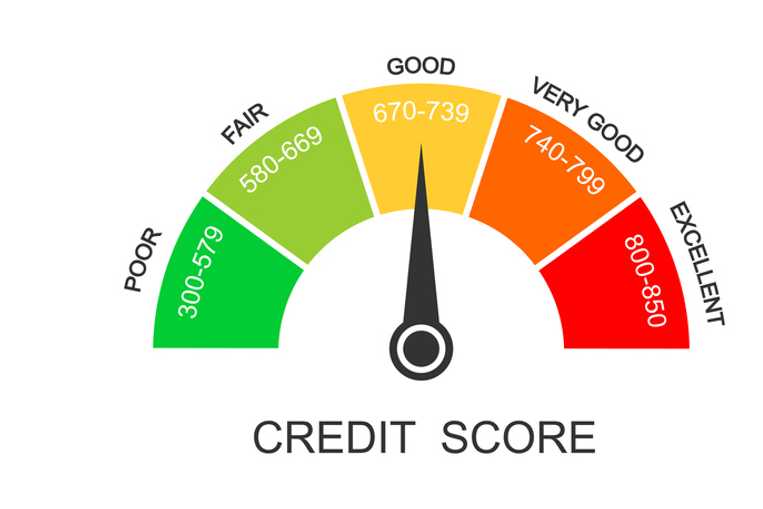
I will explain the range of credit scores, from poor to excellent, and how each range can impact financial opportunities.
We will look at common misconceptions about credit scores and provide clarity on how individuals can monitor and manage their scores effectively.
You will see insights on how credit scores affect various aspects of personal finance, such as loan approvals, interest rates, insurance premiums, and even job opportunities.
I will provide you with actionable steps and best practices for individuals looking to boost their credit scores and maintain healthy financial habits. Here we go!
Understanding Credit Scores: A Comprehensive Guide
Credit scores are three-digit numbers that represent an individual’s creditworthiness. They are calculated by credit bureaus such as Experian, Equifax, and TransUnion, and are based on an analysis of a person’s credit history and financial behavior. Credit scores are crucial because they are used by lenders, landlords, employers, and others to evaluate the risk of extending credit or other financial opportunities.
How Credit Scores are calculated:
- Payment History (35%): This is the most significant factor and reflects whether you have made your credit payments on time. Late payments, defaults, and bankruptcies can severely impact your score.
- Credit Utilization (30%): This measures the amount of credit you’re using compared to your available credit limits. Maintaining a low credit utilization ratio (ideally below 30%) is favorable.
- Length of Credit History (15%): A longer credit history, especially with well-managed accounts, can positively impact your score.
- Credit Mix (10%): Having a mix of different types of credit accounts (e.g., credit cards, loans, and mortgages) can be beneficial.
- New Credit Inquiries (10%): Applying for too much new credit in a short period can temporarily lower your score.
Credit Score Ranges:
- Poor (300-629): This range can make it challenging to secure loans or credit cards, or you may face higher interest rates and fees.
- Fair (630-689): While better than poor, you may still encounter difficulties or less favorable terms.
- Good (690-719): This range is considered average and may qualify you for better interest rates.
- Very Good (720-779): With a very good score, you’ll likely receive attractive offers and terms from lenders.
- Excellent (780-850): An excellent score can unlock the best interest rates, credit limits, and financial opportunities.
Common Misconceptions and Monitoring:
- Myth: Checking your credit report hurts your score. Fact: Checking your own report is a “soft inquiry” and does not impact your score.
- Myth: Closing unused credit cards will help. Fact: This can actually lower your credit utilization and shorten your credit history.
Monitor your credit reports regularly (available annually from each bureau) and dispute any errors promptly.
Impact on Personal Finance:
- Loan Approvals and Interest Rates: Higher scores can help you qualify for loans and secure lower interest rates, saving thousands over the life of a loan.
- Insurance Premiums: Insurers may use credit scores to determine rates, with higher scores often leading to lower premiums.
- Job Opportunities: Some employers may review credit reports during the hiring process, especially for finance-related roles.
Improving Your Credit Score:
- Pay all bills on time, every time. Set up automatic payments or reminders if needed.
- Keep credit card balances low. Aim for a utilization ratio below 30%.
- Limit new credit applications and only apply for credit you truly need.
- Correct any errors on your credit report by disputing them with the bureaus.
- Build a diverse credit mix by responsibly managing different types of accounts.
- Be patient. Improving your credit score takes time and consistent good financial habits.
By understanding credit scores, monitoring your credit reports, and following best practices, you can take control of your financial future and unlock better opportunities.
Importance of Checking Credit Reports Regularly:
Regularly checking your credit reports from all three major bureaus (Experian, Equifax, and TransUnion) is crucial for several reasons:
- Detecting Errors: Credit reports can contain errors, such as incorrect personal information, accounts that don’t belong to you, or inaccurate payment histories. These errors can negatively impact your credit score, so it’s essential to identify and dispute them promptly.
- Identifying Fraudulent Activities: Checking your credit reports can also help you detect signs of identity theft or fraudulent activities, such as unauthorized credit card accounts or loans opened in your name. Early detection can help you take swift action to minimize potential damage.
- Monitoring Progress: If you’re actively working on improving your credit score, checking your reports regularly allows you to monitor your progress and ensure that any positive changes are accurately reflected.
Building Credit History from Scratch:
For individuals with limited or no credit history, building a solid credit profile can be challenging. Here are some strategies to consider:
- Become an Authorized User: Ask a family member or trusted friend with good credit to add you as an authorized user on one of their credit card accounts. This can help you “inherit” their positive payment history, effectively establishing a credit history for yourself.
- Apply for a Secured Credit Card: These cards require a refundable security deposit, which becomes your credit limit. By using the card responsibly and making timely payments, you can build a positive credit history over time.
- Take Out a Credit-Builder Loan: With these loans, the lender deposits the loan amount into a secure account, and you make periodic payments. Once the loan is fully repaid, you receive the principal back, and the lender reports your positive payment history to the credit bureaus.
- Consider Alternative Credit Data: Some credit scoring models may consider alternative data, such as rent payments, utility bills, or subscription services, to help establish creditworthiness for those with thin credit files.
Look out for the concluding part of this article.
Austin Okonji is our resident Content Strategist and SEO expert, equipped with years of experience and a passion for driving organic traffic and improving online visibility. With a proven track record of success, Austin combines technical expertise with strategic insights to help businesses thrive in the digital landscape. (jayvickswriters@gmail.com)