
FinTok vs. Reality: Separating Hype From Helpful Personal Finance Tips On TikTok
In this post we will be looking at navigating the world of FinTok, and matching it against reality in the area of personal finance. That’s why we titled the post, FinTok vs. Reality. We are going to dissect and carryout the following:
- Discuss the challenges of separating hype from helpful personal finance tips on TikTok, especially for beginners.
- Include explanations on common misconceptions, the importance of fact-checking financial advice, and tips for identifying reliable sources.
- Delve into the impact of viral trends on financial decisions and how to critically evaluate advice found on social media platforms.
- Offer practical strategies for individuals to enhance their financial literacy and make informed decisions in the digital age.
As a personal finance expert, I understand the allure of FinTok, the vibrant community on TikTok dedicated to sharing financial advice and insights. However, it’s crucial to approach the content on this platform with a discerning eye, as separating hype from genuinely helpful personal finance tips can be a daunting task, especially for beginners.
Primary Challenge:
One of the primary challenges is the prevalence of misconceptions and oversimplified advice on FinTok. Many creators, while well-intentioned, may lack the necessary expertise or provide incomplete information, leading to potentially harmful financial decisions. Common misconceptions include the belief in get-rich-quick schemes, the promotion of high-risk investments without proper risk disclosure, and the oversimplification of complex financial concepts.
It’s essential to fact-check any financial advice you encounter on FinTok, regardless of how appealing or viral it may seem. Reliable sources for personal finance information include reputable financial institutions, government agencies, and accredited financial professionals. Cross-referencing information from multiple trustworthy sources can help you separate fact from fiction and make informed decisions.
The impact of viral trends on financial decisions is another concern. While some trends may offer valuable insights, others can be driven by hype or influenced by undisclosed sponsorships or biases. It’s important to critically evaluate the motivations behind viral trends and avoid blindly following advice without thorough research and understanding.
To enhance financial literacy and make informed decisions in the digital age, individuals should adopt the following practical strategies:
- Develop a foundation of financial knowledge: Seek out reputable educational resources, such as personal finance books, online courses, or workshops offered by accredited institutions. Building a solid foundation of financial knowledge will help you better evaluate the advice you encounter on social media.
- Consult with qualified professionals: While FinTok can provide inspiration and introduce new concepts, it should not replace the guidance of licensed financial advisors, accountants, or other qualified professionals who can provide personalized advice tailored to your unique financial situation.
- Adopt a critical mindset: Approach FinTok content with a healthy dose of skepticism. Question the sources, motivations, and potential biases behind the advice being offered. Look for transparency in the creator’s credentials and affiliations.
- Engage with diverse perspectives: Follow a diverse range of FinTok creators and engage with different viewpoints. This can help you identify potential blind spots and gain a more well-rounded understanding of personal finance topics.
- Prioritize long-term financial goals: While viral trends and quick tips may be enticing, prioritize long-term financial goals and strategies that align with your personal values and risk tolerance.
Remember, personal finance is a complex and multifaceted topic, and responsible financial management requires ongoing education, critical thinking, and a commitment to making informed decisions based on credible sources and professional guidance.
Differentiating between FinTok Hype and Reality:
On FinTok, it’s common to encounter exaggerated claims, unrealistic expectations, and oversimplified solutions. Separating hype from reality requires a critical mindset and the ability to recognize when advice is too good to be true or lacks nuance. Look for balanced perspectives, acknowledgment of potential risks, and strategies that align with established financial principles.
Challenges Faced by Beginners in Personal Finance:
For beginners, the sheer volume of information on FinTok can be overwhelming, making it difficult to discern reliable advice from noise. Additionally, complex financial concepts may be oversimplified, leading to misunderstandings. Beginners should start with foundational resources and focus on building a solid understanding of personal finance basics before delving into more advanced strategies.
Misconceptions in Financial Advice on TikTok:
Common misconceptions perpetuated on FinTok include the belief in get-rich-quick schemes, the promotion of high-risk investments without proper risk disclosure and the oversimplification of complex financial concepts. It’s essential to recognize these misconceptions and seek clarification from credible sources.
Importance of Fact-checking Financial Information:
Fact-checking financial advice is crucial, as misinformation can lead to costly mistakes. Cross-reference information from multiple reputable sources, such as government agencies, accredited financial institutions, and licensed professionals. Verify the credentials and affiliations of FinTok creators, and be wary of advice that seems too good to be true or lacks transparency.
Tips for Identifying Trustworthy Sources:
Trustworthy sources in personal finance typically include accredited financial institutions, government agencies, and licensed professionals with verifiable credentials and expertise. Look for sources that provide transparent disclosures, acknowledge potential biases, and offer balanced perspectives. Additionally, consider the motivations behind the information being shared, such as potential commercial interests or undisclosed sponsorships.
Impact of Viral Trends on Financial Decision-making:
Viral trends on FinTok can significantly influence financial decision-making, particularly among younger audiences. While some trends may offer valuable insights, others can be driven by hype or influenced by biases or undisclosed motivations. It’s crucial to critically evaluate the reasoning behind viral trends and avoid making impulsive financial decisions based solely on social media hype.
Strategies to Enhance Financial Literacy:
To enhance financial literacy, individuals should seek out reputable educational resources, such as personal finance books, online courses, or workshops offered by accredited institutions. Building a solid foundation of financial knowledge will help in evaluating advice encountered on social media. Additionally, engaging with diverse perspectives, consulting with qualified professionals, and prioritizing long-term financial goals can contribute to improved financial literacy.
Making Informed Financial Decisions in the Digital Age:
In the digital age, making informed financial decisions requires a combination of critical thinking, ongoing education, and a commitment to seeking guidance from credible sources. Individuals should adopt a skeptical mindset when encountering advice on social media, cross-reference information from multiple trustworthy sources, and prioritize long-term financial strategies that align with their personal values and risk tolerance. Consulting with licensed financial advisors and professionals can provide personalized guidance tailored to individual circumstances.
Examples of Common Misleading Financial Advice on TikTok:
- Promoting get-rich-quick schemes or “secrets” to building wealth overnight
- Encouraging high-risk investments without proper risk disclosure or diversification
- Oversimplifying complex financial concepts like taxes, retirement planning, or debt management
- Endorsing specific investment products or strategies without acknowledging potential conflicts of interest
Strategies for Setting and Achieving Financial Goals:
- Define specific, measurable, attainable, relevant, and time-bound (SMART) financial goals
- Create a realistic budget and track expenses to align spending with goals
- Develop an emergency fund to protect against unexpected expenses
- Prioritize debt repayment, starting with high-interest debt
- Automate savings and investments to consistently contribute toward long-term goals
Explanation of Key Financial Terms and Concepts for Beginners:
- Compound interest: The ability of an asset to generate earnings from previous earnings
- Diversification: Spreading investments across different asset classes to mitigate risk
- Tax-advantaged accounts: Investment vehicles (e.g., 401(k), IRA) that offer tax benefits
- Inflation: The gradual increase in the cost of goods and services over time
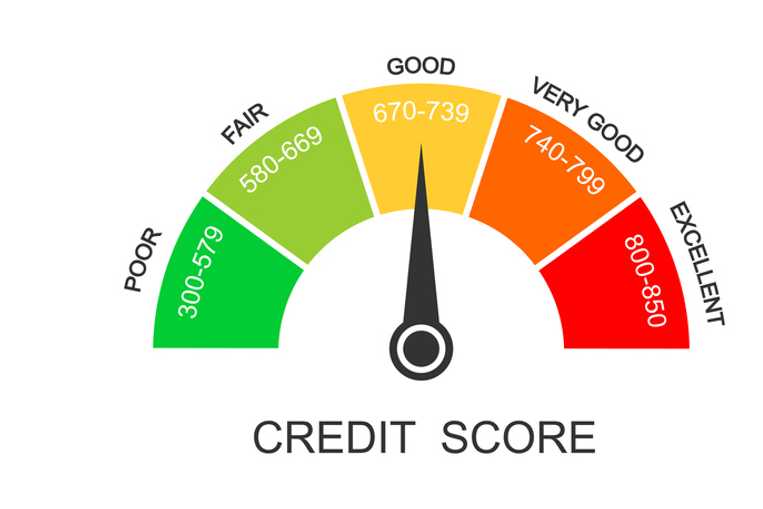
- Credit score: A numerical representation of an individual’s creditworthiness
Insights on Building a Diversified Investment Portfolio:
- Understand your risk tolerance and investment time horizon
- Allocate assets across stocks, bonds, and other asset classes based on your goals and risk profile
- Regularly rebalance your portfolio to maintain desired asset allocation
- Consider low-cost index funds or exchange-traded funds (ETFs) for broad market exposure
- Consult with a qualified financial advisor for personalized guidance
Tips for Budgeting and Managing Personal Finances Effectively:
- Track income and expenses using a budget app or spreadsheet
- Distinguish between needs and wants to prioritize essential expenses
- Explore strategies to reduce fixed expenses (e.g., negotiating bills, refinancing debt)
- Implement the 50/30/20 budgeting rule (50% for needs, 30% for wants, 20% for savings/debt)
- Regularly review and adjust your budget to align with changing circumstances
Guidance on Avoiding Financial Scams and Pitfalls:
- Be wary of unsolicited financial advice, especially from unfamiliar sources
- Verify the credentials and regulatory compliance of financial professionals
- Never provide personal or financial information to unverified sources
- Understand the risks associated with investments and avoid unrealistic claims of guaranteed returns
- Report suspected fraud or scams to relevant authorities
To be continued.
Austin Okonji is our resident Content Strategist and SEO expert, equipped with years of experience and a passion for driving organic traffic and improving online visibility. With a proven track record of success, Austin combines technical expertise with strategic insights to help businesses thrive in the digital landscape. (jayvickswriters@gmail.com)