Unlocking The Potential Of Iron Ore: A Journey Through Production, Trade, Challenges, And Opportunities
As an expert in Extracting, Processing and Export of Solid minerals from Nigeria, we’re going to delve into the fascinating world of iron ore, one of the most essential and valuable resources on our planet. Buckle up, because this journey promises to be an exhilarating exploration of a commodity that has shaped human civilization for millennia.
Introduction:
Imagine a world without the mighty iron ore – the unsung hero that has shaped human civilization for millennia. From the skyscrapers that adorn our skylines to the bridges that span mighty rivers, this remarkable resource has lent its strength and resilience to the structures that define our world. In this captivating journey, we’ll unravel the mysteries of iron ore production, trade, and sustainability. Get ready to delve into the fascinating world of one of the most essential and valuable resources on our planet. Explore its impact on our lives, the innovative solutions shaping its future, and the intricate dance of machinery and chemistry that unlocks its full potential. Embrace the excitement as we embark on a quest to uncover the true might of iron ore, one ton at a time.
Physical and Chemical properties of Iron Ore:
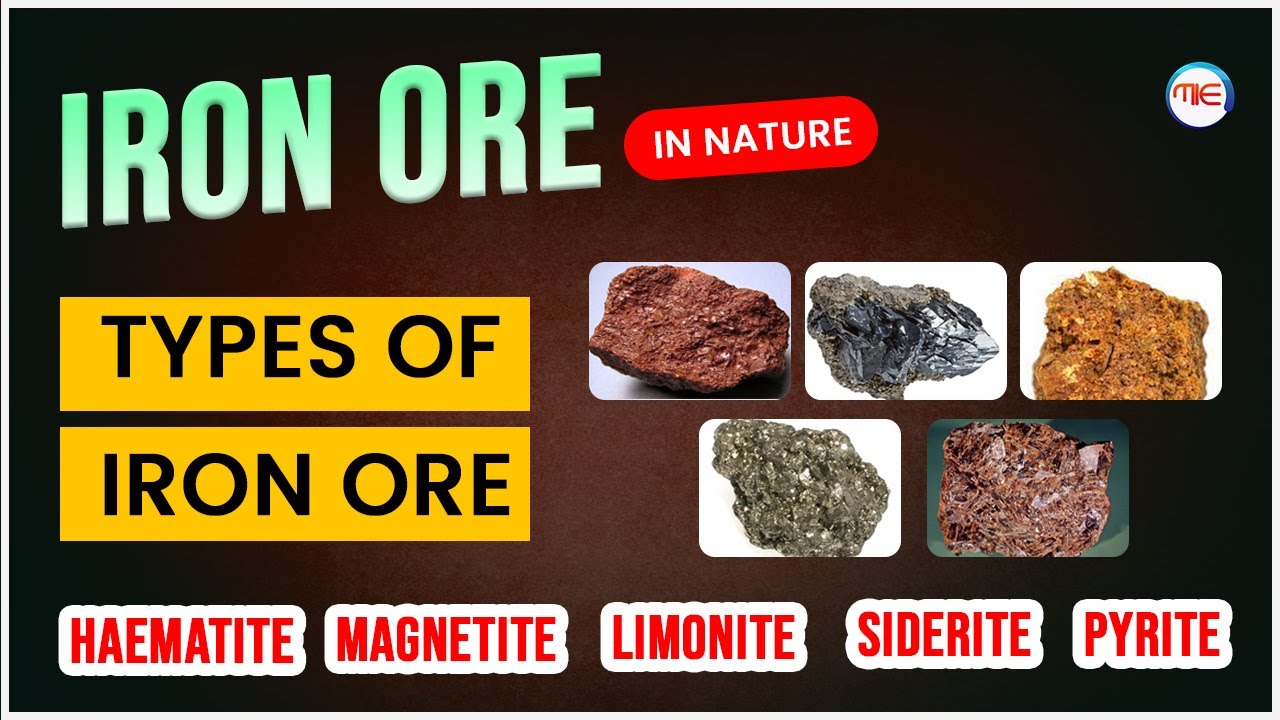
Iron ore is a naturally occurring mineral that contains iron compounds in sufficient quantities to be economically viable for extraction. The two main types of iron ore are hematite and magnetite, which have distinct physical and chemical properties:
Physical Properties:
Hematite (Fe2O3):
- Color: Reddish-brown to black
- Streak: Cherry-red
- Luster: Metallic to earthy
- Hardness (Mohs scale): 5.5 – 6.5
- Crystal System: Hexagonal
- Density: 5.3 g/cm³
Magnetite (Fe3O4):
- Color: Black
- Streak: Black
- Luster: Metallic to sub-metallic
- Hardness (Mohs scale): 5.5 – 6.5
- Crystal System: Cubic
- Density: 5.2 g/cm³
Chemical Properties:
- Hematite (Fe2O3):
- Chemical Composition: Iron(III) oxide
- Iron Content: 69.9% Fe
- Magnetic Properties: Weakly magnetic
- Magnetite (Fe3O4):
- Chemical Composition: Iron(II,III) oxide
- Iron Content: 72.4% Fe
- Magnetic Properties: Strongly magnetic.
Both hematite and magnetite are iron oxides, but they differ in their chemical composition, iron content, and magnetic properties. Hematite is an iron (III) oxide, while magnetite is an iron (II,III) oxide. Magnetite has higher iron content and is strongly magnetic, making it more desirable for certain applications.
Other important chemical properties of iron ore include:
- Melting Point: Hematite melts at around 1,565°C (2,849°F), and magnetite melts at around 1,594°C (2,901°F)
- Reactivity: Iron oxides are relatively stable but can react with acids and bases under certain conditions
- Reducibility: Iron oxides can be reduced to metallic iron through various smelting processes, such as blast furnaces or direct reduction processes
These physical and chemical properties play a crucial role in the extraction, processing, and utilization of iron ore in various industries, particularly in steelmaking and related applications.
Where is Iron Ore Found?
Iron ore deposits can be found scattered across the globe, nestled within the earth’s crust. From the vast, mineral-rich regions of Australia and Brazil to the rugged landscapes of North America and Africa, this invaluable resource lies in wait, beckoning to be unearthed and harnessed for the benefit of humanity.
Iron Ore Processing:
Once extracted from the earth’s depths, iron ore undergoes a series of intricate processes to transform it into a usable form. Crushing, grinding, and beneficiation techniques are employed to concentrate the valuable iron-bearing minerals and remove impurities. This intricate dance of machinery and chemistry is a testament to human ingenuity, as we strive to unlock the full potential of this remarkable resource.
Largest Iron Ore Producers:
When it comes to iron ore production, a handful of nations stand out as global powerhouses. Australia, Brazil, and China lead the pack, with their vast mineral reserves and efficient mining operations. These countries export iron ore to steel-hungry markets around the world, fueling the construction of skyscrapers, bridges, and countless other structures that define modern civilization.
High-Grade Iron Ore:
Not all iron ore is created equal. High-grade varieties, with their elevated iron content and minimal impurities, command a premium price in the market. These sought-after ores are prized for their efficiency in steelmaking, reducing energy consumption and minimizing environmental impact. As the world strives for sustainability, the demand for high-grade iron ore is only expected to rise.
Iron Ore Futures:
In the dynamic world of commodities trading, iron ore futures play a crucial role. These contracts allow investors, producers, and consumers to hedge against price fluctuations, mitigating risk and ensuring stability in the market. Futures trading adds depth and liquidity to the iron ore market, facilitating the seamless flow of this vital resource across the globe.
Environmental Impact of Iron Ore Mining:
As with any extractive industry, iron ore mining can have significant environmental consequences if not managed responsibly. Land degradation, water pollution, and air quality issues are among the potential challenges faced by mining operations. However, modern mining techniques and stringent regulations aim to minimize these impacts, ensuring that the pursuit of this invaluable resource doesn’t come at the cost of ecological integrity.
Sustainable Iron Ore Mining:
In the pursuit of a greener future, the concept of sustainable iron ore mining has gained traction. Innovative approaches, such as efficient water management, land rehabilitation, and the use of renewable energy sources, are being adopted by forward-thinking mining companies. By embracing sustainability, the iron ore industry can ensure a lasting supply while minimizing its environmental footprint.
Difference Between Hematite and Magnetite:
Within the iron ore family, two minerals stand out: hematite and magnetite. Hematite, with its distinctive reddish-brown hue, is a rich source of iron oxide, while magnetite, as its name suggests, possesses magnetic properties. The key difference lies in their chemical compositions and crystalline structures, which influence their respective applications in the steel industry and other fields.
Iron Ore Price:
The iron ore price is a vital indicator of the global economy’s health. As demand for steel and construction materials rises, so does the hunger for this mighty mineral. Prices have been known to fluctuate wildly, influenced by factors such as supply and demand, geopolitical tensions, and even natural disasters. Keeping a close eye on the iron ore price is crucial for producers, traders, and investors alike, as it dictates the profitability of mining operations and the feasibility of new projects.
Buy Iron Ore: Where and how you can buy Iron Ore
For those seeking to acquire iron ore, a multitude of options exist. From international traders to local suppliers, the iron ore market is a bustling hub of activity. Whether you’re a steelmaker, a foundry, or a manufacturer, securing a reliable and high-quality supply of iron ore is paramount to ensuring the success of your operations.
As we navigate the complexities of the iron ore industry, it’s important to remember that this resource is not only a commodity but a cornerstone of modern civilization. From the towering skyscrapers that adorn our skylines to the bridges that span mighty rivers, iron ore is the unsung hero, lending its strength and resilience to the structures that define our world.
Austin Okonji is our resident Content Strategist and SEO expert, equipped with years of experience and a passion for driving organic traffic and improving online visibility. With a proven track record of success, Austin combines technical expertise with strategic insights to help businesses thrive in the digital landscape. (jayvickswriters@gmail.com)