Revolutionizing The User Experience: The Rise Of JAMstack And Headless CMS In Building Dynamic Websites
As an expert on web development, we are going to discuss the growing trend of JAMstack (JavaScript, APIs, and Markup) architecture and Headless CMS (Content Management Systems) for building dynamic websites in this post.We will explain the benefits of these technologies, such as improved security, scalability, and developer experience.
More insights also will be made into how JAMstack and Headless CMS are revolutionizing the user experience landscape. We will include examples of successful implementations and practical use cases. Also insights will be provided on how these technologies enhance website performance and user engagement.
The post will explore the impact of JAMstack and Headless CMS on SEO and overall digital experience. We will discuss the future prospects and potential challenges of adopting these technologies in web development.
Introduction:
The web development landscape is constantly evolving, and the rise of JAMstack (JavaScript, APIs, and Markup) architecture and Headless CMS (Content Management Systems) has brought about a significant shift in how dynamic websites are built and managed. These technologies are revolutionizing the user experience landscape, offering improved security, scalability, and a streamlined developer experience.
Benefits of JAMstack and Headless CMS:
Improved Security: JAMstack websites are pre-rendered and served as static files, reducing the attack surface for potential security vulnerabilities. With no server-side processing or databases, the risk of common web application attacks like SQL injection and cross-site scripting (XSS) is minimized.
- Scalability: Since JAMstack sites are pre-rendered and served as static files, they can be easily cached and delivered through a Content Delivery Network (CDN), providing excellent scalability and performance even during high traffic loads.
- Developer Experience: JAMstack decouples the frontend and backend, allowing developers to work independently on each component. This separation of concerns promotes modular development, code reusability, and a more efficient workflow.
- Content Flexibility: Headless CMS solutions separate the content management from the presentation layer, enabling content authors to create and manage content without being tied to a specific frontend implementation. This flexibility allows for easy content reuse across multiple channels (websites, mobile apps, etc.).
User Experience Revolution:
JAMstack and Headless CMS are transforming the user experience landscape by enabling developers to build highly performant, secure, and engaging websites and applications. Some notable examples and use cases include the following:
- E-commerce platforms: Headless CMS solutions like Contentful and Sanity have been widely adopted by e-commerce companies to create dynamic product catalogs, landing pages, and content-rich shopping experiences.
- Media and Publishing: Organizations like Gatsby and Netlify have embraced the JAMstack architecture to build high-performance websites and blogs, optimized for fast load times and seamless user experiences.
- Corporate and Marketing Websites: Companies like Airbnb and Uber have leveraged Headless CMS platforms like Contentful to create dynamic and engaging marketing websites, with real-time content updates and personalized experiences.
By decoupling the frontend from the backend and leveraging pre-rendered static files, JAMstack and Headless CMS solutions offer remarkable performance improvements, particularly in terms of load times and user engagement. Pre-rendering reduces the initial load time, providing a near-instant page rendering experience for users. Additionally, the separation of concerns and modular architecture enable developers to iterate and deploy updates more efficiently, further enhancing the overall user experience.
SEO and Digital Experience Impact:
The adoption of JAMstack and Headless CMS technologies has a positive impact on Search Engine Optimization (SEO) and the overall digital experience. Here are some key considerations:
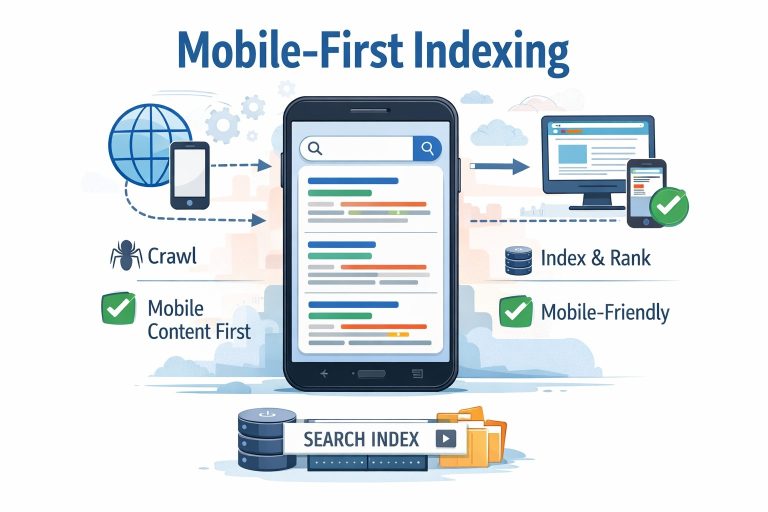
- Search Engine Friendliness: JAMstack sites are pre-rendered, meaning search engines can easily crawl and index the content, improving SEO performance.
- Fast Load Times: The static nature of JAMstack sites and the use of CDNs result in lightning-fast load times, which is a crucial factor in improving user engagement and reducing bounce rates.
- Omnichannel Experiences: Headless CMS solutions enable content to be easily repurposed across multiple channels, including websites, mobile apps, and IoT devices, providing a consistent and seamless digital experience for users.
- Personalization and Real-time Updates: With the decoupled architecture, content updates and personalization can be implemented in real-time, enhancing the user experience and enabling targeted marketing strategies.
Future Prospects and Challenges:
The future of JAMstack and Headless CMS technologies looks promising, with an increasing number of organizations and developers recognizing their benefits. However, there are also challenges to consider:
- Learning Curve: Adopting these technologies may require developers to learn new tools, frameworks, and architectural patterns, which can present a learning curve initially.
- Content Editing Experience: While Headless CMS solutions offer flexibility, they may require additional efforts to provide a user-friendly content editing experience for non-technical users.
- Vendor Lock-in: Choosing a specific Headless CMS solution can lead to vendor lock-in, making it challenging to migrate content or switch providers in the future.
- Real-time Updates and Interactivity: While JAMstack sites excel in performance and security, implementing real-time updates and complex interactivity may require additional considerations and potential workarounds.
Despite these challenges, the web development community is actively working to address them, and the advantages of JAMstack and Headless CMS technologies often outweigh the potential drawbacks for many projects.
As the demand for exceptional user experiences, lightning-fast load times, and secure web applications continues to grow, the adoption of JAMstack and Headless CMS technologies is likely to accelerate. These technologies empower developers to create dynamic, content-rich websites and applications while leveraging the benefits of modern web development practices and architectures.
Further look at JAMstack:
JAMstack is an architectural approach for building modern web applications and websites. It stands for JavaScript, APIs, and Markup, and it involves pre-rendering web pages as static files during the build process, and serving those files directly to users. Dynamic functionality is introduced through APIs and JavaScript running on the client-side.
Headless CMS, on the other hand, is a type of Content Management System (CMS) that separates the content management and delivery components from the presentation layer. Instead of rendering content within a traditional monolithic CMS, a Headless CMS provides an API that allows developers to retrieve and deliver content to any frontend application or device.
Examples of Successful Implementations:
- Smashing Magazine: This popular web development blog successfully migrated to the JAMstack architecture, leveraging Gatsby and Contentful, resulting in improved performance and developer productivity.
- Nike: The sportswear giant utilizes Headless CMS solutions, like Contentful, to deliver personalized and engaging content experiences across various channels, including their website, mobile apps, and in-store displays.
- Tesco: The UK-based supermarket chain adopted a Headless CMS approach to revamp their online grocery platform, enabling them to deliver a seamless and consistent experience across multiple touchpoints.
Practical Use Cases:
- E-commerce Websites: JAMstack and Headless CMS are well-suited for building high-performance, content-rich e-commerce platforms with dynamic product catalogs and personalized shopping experiences.
- Corporate Websites and Blogs: Organizations can leverage these technologies to create fast-loading, visually appealing websites and blogs, optimized for both desktop and mobile devices.
- Content-driven Applications: Headless CMS solutions are ideal for building applications that require content management capabilities but need to deliver content across multiple channels, such as mobile apps, smart TVs, or IoT devices.
Enhancements in Website Performance and User Engagement:
- Fast Load Times: Pre-rendering and serving static files, combined with CDN caching, result in lightning-fast load times, improving user engagement and reducing bounce rates.
- Seamless User Experience: With the separation of concerns, developers can focus on creating rich, interactive user experiences without being constrained by traditional CMS limitations.
- Real-time Updates and Personalization: Headless CMS solutions enable real-time content updates and personalization, enhancing user engagement and enabling targeted marketing strategies.
Comparison between traditional CMS and Headless CMS:
Traditional Content Management Systems (CMS) like WordPress, Drupal, and Joomla follow a monolithic approach, where the content management, presentation, and delivery components are tightly coupled. In contrast, Headless CMS solutions decouple these components, separating the content management and delivery mechanisms from the presentation layer.
Key differences:
- Presentation Layer: Traditional CMS solutions render content and templates server-side, while Headless CMS solutions provide an API to deliver content to any frontend application or device.
- Content Delivery: Traditional CMS solutions serve HTML pages directly to the browser, while Headless CMS solutions deliver content as data (JSON, XML, etc.) that can be consumed by any frontend application.
- Flexibility: Headless CMS solutions offer greater flexibility in terms of content reuse across multiple channels (websites, mobile apps, IoT devices), while traditional CMS solutions are primarily focused on web-based delivery.
- Developer Experience: Headless CMS solutions promote a more modular and decoupled development approach, allowing frontend and backend teams to work independently, while traditional CMS solutions often require tighter integration between the content management and presentation layers.
Explanation of How JAMstack Improves Website Speed and Performance:
JAMstack architecture improves website speed and performance in several ways:
- Pre-rendering: JAMstack websites are pre-rendered as static HTML files during the build process, eliminating the need for server-side rendering at runtime. This pre-rendering process significantly reduces the initial load time for users, providing a near-instant page rendering experience.
- Caching and CDN Delivery: Pre-rendered static files can be easily cached and served through a Content Delivery Network (CDN), ensuring fast content delivery to users worldwide and minimizing the load on the origin server.
- Reduced Server Load: Since JAMstack sites are pre-rendered and served as static files, there is no need for server-side processing or databases, reducing the server load and associated infrastructure costs.
- Separation of Concerns: By decoupling the frontend and backend components, JAMstack allows for parallel development and optimization of each layer, enabling more efficient performance tuning and iteration.
Insights on the Role of APIs in JAMstack Architecture:
APIs play a crucial role in JAMstack architecture, enabling dynamic functionality and content delivery while maintaining the performance and security benefits of pre-rendered static sites.
- Content Management APIs: Headless CMS solutions expose APIs that allow developers to retrieve and manage content for their JAMstack sites. These APIs provide a way to fetch dynamic content, such as blog posts, product catalogs, or user-generated content, during the build process or at runtime.
- Third-Party Service APIs: JAMstack sites can integrate with various third-party APIs to incorporate additional functionality, such as authentication, payment processing, or real-time data integration. These APIs can be consumed during the build process or directly from the client-side JavaScript.
- Serverless Functions: JAMstack architecture often leverages serverless functions (e.g., AWS Lambda, Netlify Functions) to handle dynamic functionality, such as form submissions, data transformations, or real-time updates, without the need for a traditional server infrastructure.
- Webhooks and Real-time Updates: APIs and webhooks can be used to trigger rebuilds or updates to JAMstack sites when content changes, enabling real-time updates and dynamic experiences without sacrificing performance.
Stay with us for the second part of this post.
Austin Okonji is our resident Content Strategist and SEO expert, equipped with years of experience and a passion for driving organic traffic and improving online visibility. With a proven track record of success, Austin combines technical expertise with strategic insights to help businesses thrive in the digital landscape. (jayvickswriters@gmail.com)