
SSR vs. CSR vs. SSG: Which Rendering Method is Best for Your Website?
Confused about SSR, CSR, and SSG? Discover the key differences, pros, and cons of each rendering method to optimize your website’s performance and SEO.
Introduction
If you’ve ever built or managed a website, you’ve probably heard terms like SSR, CSR, and SSG thrown around. But what do they mean, and why should you care? The way your website renders content can make or break user experience, search engine rankings, and even loading speed. Whether you’re a developer, a business owner, or just tech-curious, understanding these rendering methods is crucial. In this guide, we’ll break down Server-Side Rendering (SSR), Client-Side Rendering (CSR), and Static Site Generation (SSG) in simple terms—no jargon, just clarity. By the end, you’ll know which method suits your needs best.
Important Phrases Explained:
Server-Side Rendering (SSR):
Server-Side Rendering (SSR) is a technique where a web page is fully generated on the server before being sent to the browser. This means users see a complete page immediately, improving SEO and initial load time. SSR is great for dynamic content but can put more strain on the server.
Client-Side Rendering (CSR):
Client-Side Rendering (CSR) relies on JavaScript to load and render content directly in the browser. While this makes pages highly interactive, it can slow down initial loading and hurt SEO since search engines may struggle to index dynamically loaded content.
Static Site Generation (SSG):
Static Site Generation (SSG) pre-builds pages at compile time, serving them as static files. This method offers blazing-fast load times and strong SEO but isn’t ideal for frequently updated content unless paired with a headless CMS.
Web Performance Optimization:
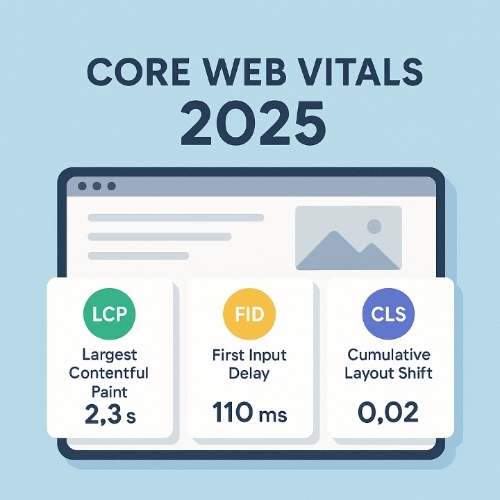
Choosing the right rendering method directly impacts web performance. Faster load times improve user experience, reduce bounce rates, and boost search rankings, making performance a key factor in web development.
SEO-Friendly Rendering:
Search engines favor easily indexable content. SSR and SSG are more SEO-friendly than CSR because they deliver fully rendered HTML, making it easier for crawlers to read and rank pages.
People Also Asked:
What is the main advantage of SSR over CSR?
The biggest advantage of SSR is that it sends a fully rendered page to the browser, improving SEO and reducing initial load time. Unlike CSR, which depends on JavaScript to load content, SSR ensures that search engines and users see the complete page immediately.
When should I use Static Site Generation (SSG)?
SSG is best for websites with content that doesn’t change often, like blogs, portfolios, or documentation sites. Since pages are pre-built, they load instantly and require minimal server resources, making them highly efficient for static content.
Does CSR affect SEO negatively?
Yes, CSR can hurt SEO because search engine crawlers may not execute JavaScript properly, leading to incomplete indexing. However, modern solutions like dynamic rendering or hybrid approaches (SSR + CSR) can mitigate this issue.
Summary
Choosing between SSR, CSR, and SSG depends on your website’s needs. SSR delivers fast initial loads and better SEO, CSR offers dynamic interactivity, and SSG provides unbeatable speed for static content. Understanding these differences helps optimize performance, user experience, and search rankings. Whether you’re building a blog, an e-commerce site, or a web app, picking the right rendering method is a game-changer.
#WebDevelopment #FrontEnd #SEO #JavaScript #WebPerformance #StaticSites #ServerSideRendering #ClientSideRendering #TechTrends #WebDesign