The Allure Of Gold: The Unexpected Uses Of Gold In Our Everyday Lives – How This Precious Metal Shaped Civilization
In this article we are going to talk about Gold! Starting with the history of gold, its significance in various cultures, practical uses, investment opportunities, and environmental impact in the areas where it is mined.
We will also discuss how to buy and sell gold, its role in jewelry and technology, and the process of mining and refining.
We will not forget to touch upon the factors influencing gold prices, its comparison to other precious metals, and tips for storing gold safely.
Gold, the lustrous yellow metal, has captivated humankind for centuries. From ancient civilizations to modern times, gold has held a special place in our cultures, economies, and imaginations. In this comprehensive guide, we’ll explore the fascinating world of gold, its history, uses, and significance in our daily lives.
Introduction to Gold:
Gold is a precious metal that has been revered for its beauty, rarity, and durability. It is a chemical element with the symbol Au, derived from the Latin word ‘aurum,’ meaning ‘glowing dawn.’ Gold is highly malleable, ductile, and resistant to corrosion, making it an ideal material for various applications.
The History of Gold:
- Gold has been a part of human history for thousands of years, with evidence of its use dating back to ancient civilizations like Egypt, Greece, and Rome.
- In many cultures, gold was associated with the sun, divinity, and power, leading to its widespread use in religious artifacts and ceremonial objects.
- Gold played a significant role in the development of currencies and trade, with gold coins serving as a medium of exchange for centuries.
Cultural Significance of Gold:
- Gold has been a symbol of wealth, status, and affluence across various cultures and societies.
- In many religions and traditions, gold is considered a sacred metal, used in religious ceremonies and adorning sacred spaces.
- Gold has been a popular choice for jewelry and decorative objects, reflecting its beauty and association with luxury.
Practical Uses of Gold:
Gold’s unique properties make it valuable in various industries:
- Jewelry: Gold is a popular choice for making rings, necklaces, bracelets, and other jewelry items.
- Electronics: Gold’s excellent conductivity and resistance to corrosion make it suitable for use in electronics, such as circuit boards and computer components.
- Dentistry: Gold’s biocompatibility and resistance to tarnishing make it a preferred material for dental crowns and fillings.
- Aerospace: Gold’s reflective properties and resistance to heat make it useful in space exploration and satellite technology.
Investing in Gold:
Gold has been a popular investment choice for centuries, serving as a hedge against inflation and economic uncertainty.
Investors can purchase gold in various forms, including:
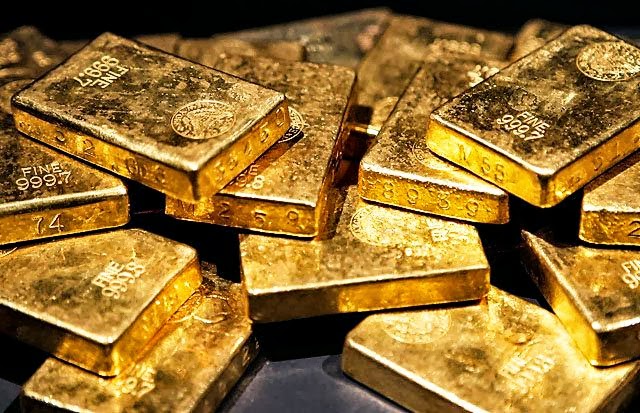
- Gold bullion (bars or coins)
- Gold exchange-traded funds (ETFs)
- Gold mining stocks
- Gold futures contracts
Environmental Impact of Gold:
Gold mining can have negative environmental impacts, including:
- Water pollution from toxic chemicals used in mining processes
- Deforestation and habitat destruction
- Greenhouse gas emissions from mining operations
Efforts are being made to promote sustainable and responsible mining practices, such as using eco-friendly extraction methods and implementing proper waste management systems.
Buying and Selling Gold:
Gold can be bought and sold through various channels, including:
- Bullion dealers and coin shops
- Online precious metal exchanges
- Banks and financial institutions
It’s essential to research reputable dealers, understand pricing mechanisms, and be aware of potential scams or counterfeit products.
Gold in Jewelry and Technology:
- Gold’s beauty and durability make it a popular choice for jewelry, from rings and necklaces to watches and bracelets.
- In technology, gold’s excellent conductivity and resistance to corrosion make it valuable in electronics, such as circuit boards, computer components, and communication devices.
Mining and Refining Gold:
- Gold is typically mined from underground or open-pit mines using various extraction methods.
- After extraction, the gold ore undergoes several refining processes to remove impurities and produce pure gold bars or coins.
- The mining and refining processes involve sophisticated techniques and strict safety protocols.
Factors Influencing Gold Prices:
Gold prices are influenced by various factors, including:
- Supply and demand dynamics
- Global economic conditions and geopolitical events
- Inflation rates and currency fluctuations
- Interest rates and investment trends
- Production costs and mining output
Comparison to Other Precious Metals:
- Gold is often compared to other precious metals like silver, platinum, and palladium.
- While each metal has its unique properties and applications, gold is generally considered the most valuable and prestigious due to its rarity, beauty, and historical significance.
Storing Gold Safely:
Proper storage is crucial to protect your gold investments from theft, damage, or loss.
Options for storing gold include:
Home safes or safety deposit boxes
Professional storage facilities or vaults
Allocated or unallocated storage with bullion dealers or banks
It’s important to consider factors like insurance, security, and accessibility when choosing a storage method.
Gold has been a captivating and valuable metal throughout human history, serving as a symbol of wealth, beauty, and power. Whether you’re interested in investing, collecting, or simply appreciating its allure, understanding the world of gold can be a rewarding journey. Remember to conduct thorough research, seek professional advice, and make informed decisions when buying, selling, or storing gold.
The Gold Standard:
- The gold standard was a monetary system where a country’s currency was backed by and could be exchanged for a fixed amount of gold.
- During the 19th and early 20th centuries, many countries adopted the gold standard to stabilize their currencies and facilitate international trade.
- The gold standard provided economic stability but was eventually abandoned due to the increasing demand for currency and the limited supply of gold.
- While no longer in use, the concept of the gold standard highlights the historical significance of gold in economic systems and its perceived value as a reliable store of wealth.
Symbolism of Gold in Art, Literature, and Religion:
- In art, gold has been used for its lustrous qualities, often serving as a symbol of divinity, royalty, and immortality in various cultures.
- In literature, gold has been a recurring motif, representing greed, ambition, and the quest for wealth and power.
- In many religions, gold is considered a sacred metal, symbolizing purity, enlightenment, and spiritual transcendence.
- For example, in Hinduism, gold is associated with the deities Lakshmi and Kubera, representing prosperity and wealth.
- In Christianity, gold is one of the three gifts presented to the infant Jesus by the Magi, symbolizing his divine nature and kingship.
Types of Gold and Their Characteristics:
Gold is available in different karats, which indicate the purity and composition of the metal.
- 24K gold is pure gold, while lower karats (e.g., 18K, 14K) contain a mixture of gold and other metals like copper or silver.
- Higher karat gold is more valuable but also softer and more malleable, making it less suitable for jewelry that requires durability.
- Lower karat gold is harder and more resistant to scratches and dents, making it a popular choice for everyday jewelry.
Investing in Physical Gold vs. Gold ETFs or Mining Stocks:
Physical gold investment involves buying and holding actual gold bullion or coins.
Benefits: Tangible asset, potential hedge against inflation, privacy, and direct ownership.
Risks: Storage costs, insurance, potential theft or loss, and limited liquidity.
Gold ETFs (Exchange-Traded Funds) are investment funds that track the price of gold.
Benefits: Liquidity, lower storage costs, and ease of investment.
Risks: No direct ownership of physical gold, potential tracking errors, and management fees.
Gold mining stocks represent ownership in companies involved in gold exploration and production.
Benefits: Potential for higher returns, leverage to gold prices, and dividend income.
Risks: Company-specific risks, operational challenges, and volatility in stock prices.
Environmental Consequences and Sustainable Practices:
Gold mining can have significant environmental impacts, including water pollution, air pollution, habitat destruction, and greenhouse gas emissions.
Efforts are being made to promote sustainable and responsible mining practices, such as:
- Using eco-friendly extraction methods like bioleaching or phytomining.
- Implementing proper waste management systems and water treatment facilities.
- Rehabilitating and restoring mine sites after closure.
- Adopting renewable energy sources and reducing carbon footprints.
- Engaging with local communities and addressing social and economic impacts.
- Initiatives like the Responsible Gold Mining Principles promote transparency, ethical practices, and environmental stewardship in the gold mining industry.
When you understand the rich history, cultural significance, practical applications, and investment opportunities associated with gold, you can appreciate the enduring allure of this precious metal while recognizing the importance of responsible practices in its production and consumption.
Austin Okonji is our resident SEO expert, equipped with years of experience and a passion for driving organic traffic and improving online visibility. With a proven track record of success, Austin combines technical expertise with strategic insights to help businesses thrive in the digital landscape. (jayvickswriters@gmail.com)