The Future of Web Development: 5 Game-Changing Trends You Can’t Ignore
Discover how Web 3.0, blockchain, and the metaverse will revolutionize web development in the next 5 years. Learn the skills you need, the challenges ahead, and how businesses can stay ahead.
Introduction:
Imagine a web where you own your data, where websites interact like humans, and shopping feels like walking into a virtual store. Sounds like science fiction? It’s not. The next five years in web development will bring changes so radical, they’ll make today’s internet look ancient. From decentralized apps to AI-powered design, the future is knocking—and it’s time to answer.
The Future of Web Development: What to Expect in the Next 5 Years
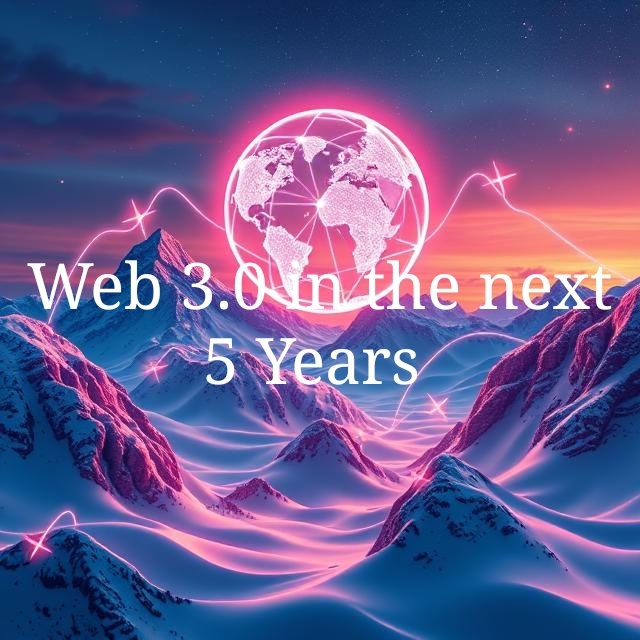
The internet is evolving faster than ever. What started as static pages (Web 1.0) and evolved into interactive platforms (Web 2.0) is now shifting toward a smarter, decentralized, and immersive experience—Web 3.0. Here’s what’s coming:
1. Web 3.0 and Decentralization
Web 3.0 is the next big leap. Unlike Web 2.0, where tech giants control data, Web 3.0 gives power back to users. Think of it as an internet where you own your information, and apps run on blockchain instead of centralized servers.
– Decentralized apps (dApps) are already here. Ethereum-based apps like Uniswap let users trade cryptocurrencies without a middleman.
– Smart contracts automate transactions, cutting out banks and lawyers.
But there’s a catch: blockchain is slow and energy-hungry. Scaling it for mass use remains a challenge.
2. AI in Web Development
Artificial intelligence isn’t just for chatbots. Soon, AI will:
– Write code (GitHub’s Copilot already does this).
– Personalize websites in real-time based on user behavior.
– Test and debug faster than humans.
3. AR, VR, and the Metaverse
The metaverse isn’t just for gamers. Businesses are using it for:
– Virtual showrooms (e.g., Nike’s virtual sneaker store).
– Remote work in 3D spaces (Meta’s Horizon Workrooms).
– Social interactions beyond flat screens.
4. Responsive Design Trends
With foldable phones and smart glasses, responsive design is evolving:
– Fluid layouts that adapt to any screen.
– Voice-controlled navigation.
– Zero UI (interfaces that disappear).
5. Cybersecurity and Privacy
More connectivity means more risks. Future web apps will need:
– Blockchain-based identity verification.
– Zero-trust security models.
– Privacy-first design (think Apple’s App Tracking Transparency).
Important Questions, Answers and Explanations
1. How does Web 3.0 differ from previous web iterations?
Web 1.0 was read-only (static pages). Web 2.0 introduced interactivity (social media). Web 3.0 adds decentralization—blockchain replaces servers, and users control their data.
2. What are the ethical implications of blockchain in web development?
Blockchain is transparent but irreversible. Mistakes (like bugs in smart contracts) can’t be undone. Plus, energy consumption raises sustainability concerns.
3. What skills should aspiring web developers focus on?
– Blockchain development (Solidity, Rust).
– AI integration (Python, TensorFlow).
– 3D design for the metaverse (Unity, Blender).
4. How can businesses leverage the metaverse for marketing?
– Host virtual events.
– Sell digital products (NFTs, virtual real estate).
– Create immersive brand experiences.
5. What are best practices for user privacy in future web apps?
– Minimize data collection.
– Use encryption and decentralized storage.
– Give users clear control over their data.
Important Phrases Explained
1. Decentralized Applications (dApps):
These are apps that run on blockchain, not centralized servers. They’re transparent, tamper-proof, and don’t rely on big tech companies.
2. Smart Contracts:
Self-executing contracts written in code. They automate agreements (like payments) without middlemen.
3. Metaverse:
A virtual universe where people interact via avatars. It blends AR, VR, and the internet into a 3D world.
4. Zero-Trust Security:
A model where no user or device is trusted by default. Every access request is verified.
5. Responsive Design:
Designing websites to work seamlessly on any device, from phones to smartwatches.
Questions Also Asked by Other People Answered:
1. Will Web 3.0 replace Web 2.0 completely?
Not immediately. Web 2.0 will coexist with Web 3.0 for years, especially since blockchain tech isn’t yet scalable for all uses.
2. Is the metaverse just a hype?
Not entirely. While some aspects are overblown, companies like Meta and Microsoft are investing billions, signaling long-term potential.
3. How expensive is blockchain development?
Very. Gas fees (transaction costs) on networks like Ethereum can be high, though newer blockchains (Solana) aim to reduce costs.
4. Can AI really replace web developers?
No, but it will automate repetitive tasks. Developers will focus more on creativity and problem-solving.
5. What’s the biggest risk of Web 3.0?
Security. Decentralization means no central authority to reverse hacks or scams, so users must be extra cautious.
Summary
The next five years in web development will be transformative. Web 3.0, blockchain, and the metaverse will redefine how we interact online. Businesses must adapt to decentralized apps, AI-driven design, and immersive experiences. Developers should master blockchain and 3D design, while prioritizing security and privacy. The future is exciting—but only for those prepared to embrace change.
#WebDevelopment #Web3 #Blockchain #Metaverse #AI #FutureTech #Cybersecurity #ResponsiveDesign #dApps #TechTrends