Unlocking the Potential of Nigerian Soya Beans: Farming, Processing, Value Addition and Exporting Opportunities
Introduction:
Welcome to a comprehensive exploration of soya beans, a versatile and highly nutritious crop with immense potential for Nigeria’s agricultural sector. In this article, we are really going to dig deep into the world of soya bean farming, processing, value addition and export opportunities; unveiling the secrets to unlocking the full potential of this golden crop. From traditional farming methods to modern processing techniques, value-added products, and export strategies, we’ll uncover the untapped possibilities that soya beans hold for domestic consumption and global trade.
Farming of Soya Beans in Nigeria:
Nigeria’s diverse soil and climatic conditions make it an ideal location for cultivating soya beans. This leguminous crop thrives in well-drained, fertile soils and requires warm temperatures and adequate rainfall during the growing season. Nigerian farmers have embraced soya bean cultivation, recognizing its value as a protein-rich food source and its potential for generating income.
The soya bean farming process in Nigeria typically involves land preparation, seed selection, planting, weeding, and harvesting. Farmers often practice crop rotation, planting soya beans after cereal crops like maize or yam to replenish soil nutrients. Proper spacing between plants and timely weed control are crucial for optimal yields.
- Soya Bean Cultivation:
Soya bean cultivation is a crucial agricultural practice that has gained significant importance globally. In Nigeria, soya bean farming has become a vital component of the agricultural sector, providing a valuable source of protein and income for farmers. Proper cultivation techniques, including land preparation, seed selection, planting methods, and crop management, are essential for achieving optimal soya bean yields. Farmers must also consider factors such as soil fertility, irrigation, and climatic conditions to ensure successful soya bean cultivation.
- Organic Soya Bean Farming:
As consumer demand for organic and sustainable food products continues to rise, organic soya bean farming has emerged as a trending practice. Organic soya bean farming involves the use of natural and eco-friendly methods, avoiding synthetic fertilizers, pesticides, and genetically modified organisms (GMOs). This approach not only promotes environmental sustainability but also caters to the growing market for organic soya bean products, which command premium prices and appeal to health-conscious consumers.
- Non-GMO Soya Beans:
Closely related to organic soya bean farming is the growing demand for non-GMO (genetically modified organism) soya beans. Consumers have become increasingly concerned about the potential risks associated with consuming genetically modified crops, leading to a surge in interest for non-GMO soya bean products. Nigerian farmers and processors can capitalize on this trend by implementing strict non-GMO certification processes and ensuring traceability throughout the supply chain.
- Soya Bean Crop Rotation:
Soya bean crop rotation is a sustainable agricultural practice that involves alternating the cultivation of soya beans with other crops in a planned sequence. This approach helps to replenish soil nutrients, break pest and disease cycles, and improve overall soil health. By incorporating soya beans into crop rotation systems, Nigerian farmers can enhance soil fertility, reduce the need for synthetic fertilizers, and promote long-term sustainability of their farming operations.
- Soya Bean Yield Enhancement:
Maximizing soya bean yields is a crucial objective for Nigerian farmers and the agricultural sector as a whole. Various strategies and techniques can be employed to enhance soya bean yields, including the use of high-yielding seed varieties, optimized fertilizer application, efficient irrigation methods, and advanced farming technologies. Research and development efforts focused on yield enhancement can contribute significantly to increasing soya bean production and meeting the growing domestic and international demand of the commodity.
- Soya Bean Pest Management:
Effective pest management is essential for successful soya bean cultivation and ensuring optimal yields. Nigerian farmers must employ integrated pest management strategies to combat insect pests, diseases, and weeds that can negatively impact soya bean crops. This may involve a combination of cultural, biological, and chemical control methods, with a focus on minimizing the use of harmful pesticides and promoting environmentally sustainable practices.
Processing of Soya Beans for Local Use:
Once harvested, soya beans undergo various processing methods to make them suitable for local consumption. Traditional methods include soaking, boiling, and fermentation to remove anti-nutritional factors and enhance digestibility.
One popular local product is “daddawa,” a traditional Nigerian condiment made by fermenting and drying soya beans. This protein-rich seasoning adds depth and umami flavor to soups, stews, and other dishes.
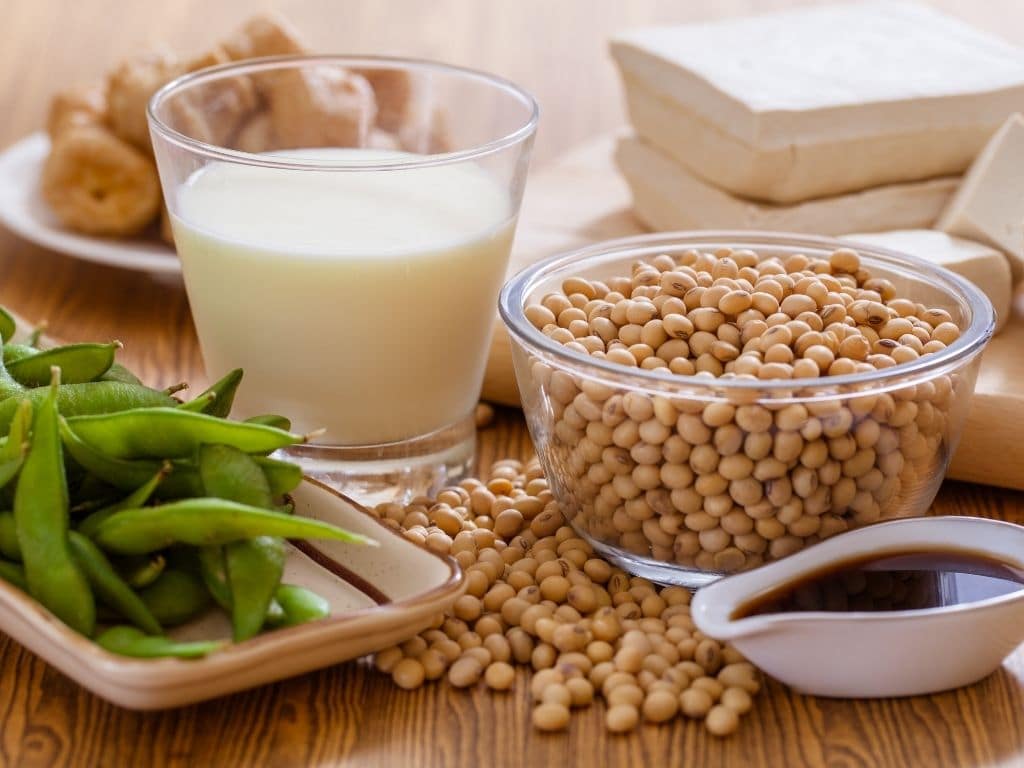
Modern processing techniques involve cleaning, dehulling, and milling soya beans into flour or meal. Soya bean flour can be incorporated into various Nigerian staples like “akara” (bean cakes), “moin-moin” (steamed bean pudding), and “eba” (garri-based dish). Additionally, soya milk and soya-based meat alternatives are gaining popularity among health-conscious consumers.
Methods of Properly Storing Processed Soya Beans:
Proper storage is essential to maintain the quality and shelf life of processed soya bean products. Dry soya bean flour or meal should be stored in airtight containers or moisture-proof packaging to prevent spoilage and insect infestation. Cool, dry, and dark environments are ideal for prolonging the shelf life of these products.
For fermented or cooked soya bean products, refrigeration or freezing may be necessary to prevent microbial growth and extend their usable life. Proper packaging materials, such as vacuum-sealed bags or airtight containers, can also help preserve the quality and flavor of processed soya bean products.
Exporting Soya Beans in Raw Form:
Nigeria has significant potential to export soya beans in their raw form to international markets. The process involves several steps, including harvesting, cleaning, grading, and packaging.
Harvested soya beans are thoroughly cleaned to remove debris, foreign materials, and damaged beans. Grading ensures that the beans meet specific quality standards based on size, color, and moisture content. Proper drying is crucial to reduce moisture levels and prevent spoilage during transportation and storage.
Raw soya beans are typically packaged in sturdy, moisture-resistant bags or containers, with appropriate labeling and documentation for export. Compliance with international phytosanitary regulations and quality certifications is essential for successful export operations.
Value-Added Products from Soya Beans:
Soya beans offer a wealth of opportunities for value addition through further processing.
Here are some examples of value-added products that can be produced in Nigeria:
- Soya bean oil: Extracting oil from soya beans through mechanical or solvent extraction processes yields a valuable product for cooking and industrial applications.
- Soya bean meal: The residue after oil extraction can be processed into high-protein soya bean meal, widely used as animal feed or a protein supplement in human diets.
- Soya-based meat alternatives: Texturized soya protein and soya-based meat analogs are popular among vegetarians and health-conscious consumers.
- Soya-based dairy alternatives: Soya milk, soya yogurt, and soya cheese are lactose-free options for those with dairy intolerances or vegan diets.
- Soya-based infant formula: Soya-based infant formulas provide an alternative for infants with lactose intolerance or specific dietary needs.
- Soya sauce and soya-based condiments: Fermented soya products like soya sauce, tempeh, and natto offer unique flavors and nutritional benefits.
- Soya Bean Protein Isolates:
Soya bean protein isolates are highly refined and concentrated forms of soya bean protein, widely used in various food and beverage products. These isolates are produced through specialized processing techniques that remove the majority of non-protein components, resulting in a highly pure and functional protein source. Nigerian processors can explore the production of soya bean protein isolates to cater to the growing demand for plant-based protein ingredients in the food industry.
- Soya Bean Lecithin:
Soya bean lecithin is a valuable by-product obtained during the processing of soya bean oil. This versatile ingredient is widely used in various industries, including food, pharmaceuticals, and cosmetics, as an emulsifier, lubricant, and dispersing agent. Nigerian processors can capitalize on the production of soya bean lecithin, which not only adds value to the soya bean processing chain but also opens up new market opportunities for this versatile product.
- Soya Bean Oil Extraction:
Soya bean oil is a versatile and widely used vegetable oil with numerous applications in the food, cosmetic, and industrial sectors. The process of extracting oil from soya beans involves various techniques, including mechanical pressing or solvent extraction. Nigerian processors can invest in efficient and sustainable soya bean oil extraction facilities to meet the growing demand for this valuable commodity; while ensuring adherence to quality standards and environmental regulations.
Preparing and Packaging for Export:
- To export value-added soya bean products, manufacturers must adhere to international food safety and quality standards. Proper processing, packaging, and labeling are crucial for maintaining product integrity and meeting regulatory requirements.
- Packaging materials should be food-grade, moisture-resistant, and tamper-evident to ensure product safety and freshness during transit. Clear labeling with ingredient lists, nutritional information, and appropriate certifications (e.g., organic, non-GMO) can enhance the product’s appeal and marketability in international markets.
- Cold chain logistics and temperature-controlled transportation may be necessary for perishable soya bean products to maintain their quality and extend their shelf life during export.
You Need To Engage With Us To Learn More
Our company is one of the best companies in the Agro-Export business in Nigeria today. We train individuals and corporate organizations on how to do Export Business the right way; if you are interested, please contact the admin of this forum now for further details.
If you’d like to delve deeper and take off immediately with your export plans, our company can help you with the following:
– Identifying potential Foodstuff importers
– Understanding European and other countries’ import regulations for Nigerian Foodstuff
– Developing a market entry strategy for your Foodstuff Business
Let’s turn this potential into a blooming business relationship between Nigeria, Europe and other countries of the world interested in importing our Foodstuff!