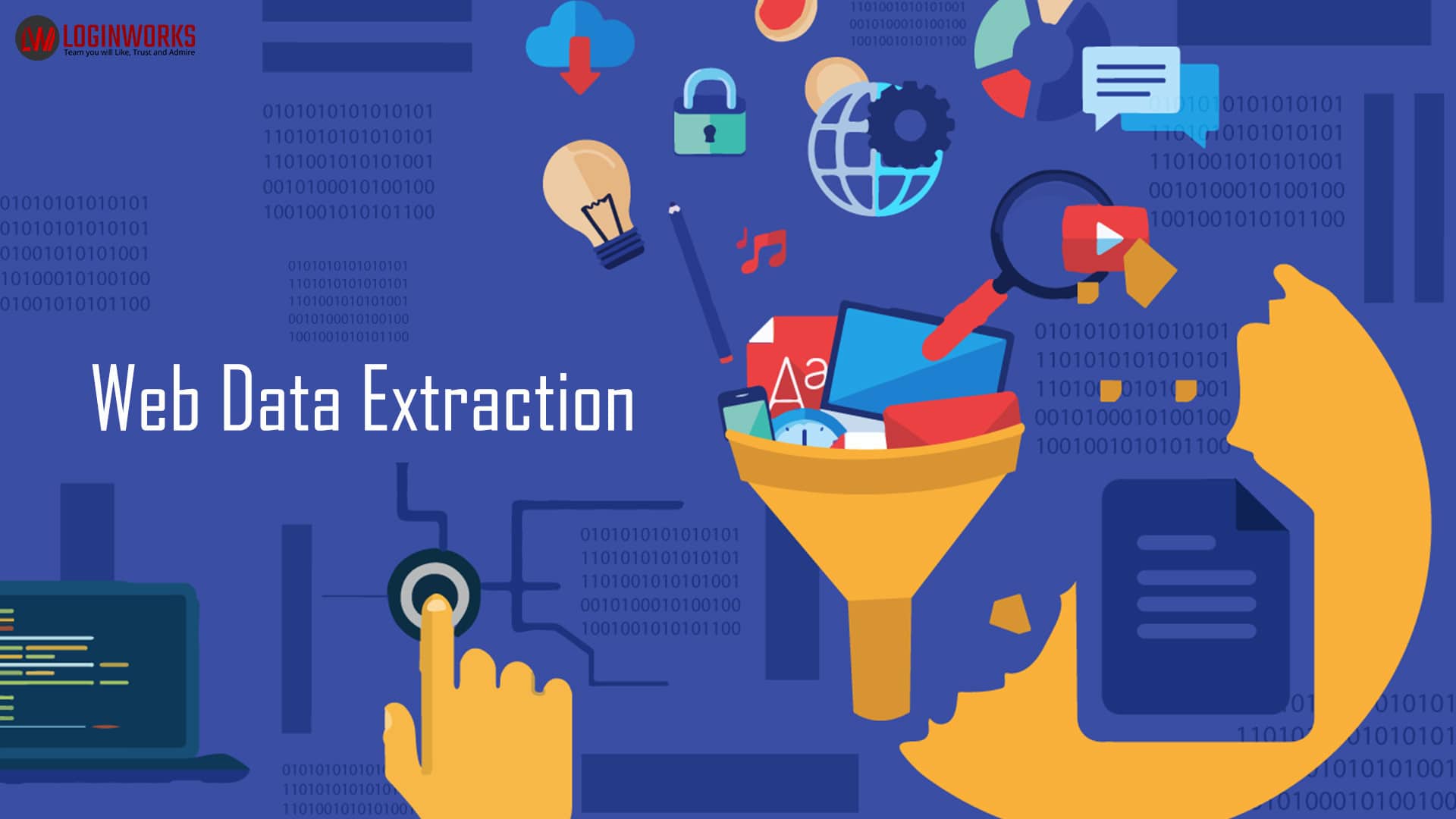
Taming The Data Beast: Essential Techniques For Web Data Extraction
As an expert in web data extraction, I am using this simple guide to help beginners get a hold in taming the Data Beast.We will discuss and provide insights on essential techniques for efficient web data extraction. The following topics and others not listed here will also be treated:
- Introduction to Web Data Extraction
- Importance of Data Extraction for Businesses
- Common Challenges Faced in Data Extraction
- Tools and Technologies for Web Data Extraction
- Best Practices for Data Extraction
- Ethical Considerations in Web Scraping
In providing some insights on essential techniques for efficient web data extraction, here’s a comprehensive guide covering the topics listed above and more:
Introduction to Web Data Extraction:
Web data extraction, also known as web scraping, is the process of automatically retrieving and parsing data from websites. It involves extracting structured data from web pages, such as product details, pricing information, reviews, and other relevant content. This data can be used for various purposes, including market research, price monitoring, lead generation, and content aggregation.
Importance of Data Extraction for Businesses:
In today’s data-driven world, web data extraction has become increasingly important for businesses across various industries. It allows companies to gather valuable insights from publicly available data, enabling them to make informed decisions, stay competitive, and identify new opportunities. Some key benefits of web data extraction include:
- Competitive Intelligence: Businesses can monitor competitors’ pricing, product offerings, and marketing strategies.
- Market Research: By extracting data from various sources, companies can gain insights into consumer behavior, trends, and market dynamics.
- Lead Generation: Web scraping can help businesses identify potential customers and gather contact information for sales and marketing purposes.
- Content Aggregation: Websites and applications can leverage web data extraction to aggregate and present information from multiple sources in a structured and user-friendly manner.
Common Challenges Faced in Data Extraction:
While web data extraction offers numerous benefits, it also presents several challenges that need to be addressed:
- Website Structures: Different websites have varying structures, making it difficult to develop a one-size-fits-all solution for data extraction.
- Anti-Scraping Measures: Some websites employ anti-scraping measures, such as captchas, IP blocking, and rate limiting, to prevent automated data extraction.
- Data Quality: Ensuring the accuracy and completeness of extracted data can be challenging, as websites may have inconsistent formatting or missing information.
- Scalability: As the volume of data grows, maintaining efficient and scalable data extraction processes becomes more complex.
- Legal and Ethical Considerations: Web scraping may raise legal and ethical concerns related to data privacy, intellectual property rights, and terms of service violations.
Tools and Technologies for Web Data Extraction:
Several tools and technologies are available to assist with web data extraction tasks:
- Web Scraping Libraries and Frameworks: Python (e.g., BeautifulSoup, Scrapy), Node.js (e.g., Puppeteer, Cheerio), and Ruby (e.g., Nokogiri, Mechanize) offer powerful libraries and frameworks for web scraping.
- Headless Browsers: Tools like Puppeteer (for Chrome) and Selenium allow you to automate web browsers, enabling the extraction of data from dynamic and JavaScript-rendered websites.
- Cloud-Based Scraping Services: Services like Apify, ParseHub, and Scraper API provide managed web scraping solutions, handling tasks like proxy rotation, IP management, and data delivery.
- Data Extraction APIs: Some websites offer APIs that allow developers to access and retrieve data in a structured format, eliminating the need for web scraping.
Best Practices for Data Extraction:
To ensure efficient and reliable web data extraction, it’s essential to follow best practices:
- Respect Robots.txt: Always check the website’s robots.txt file to understand and comply with any restrictions or guidelines for web crawlers.
- Implement Politeness Policies: Employ techniques like rate limiting, rotating IP addresses, and using descriptive user agents to avoid overwhelming websites with excessive requests.
- Handle Dynamic Content: Utilize headless browsers or JavaScript rendering techniques to extract data from dynamically generated content.
- Data Extraction Pipelines: Develop structured pipelines for data extraction, processing, storage, and analysis to ensure scalability and maintainability.
- Data Cleansing and Validation: Implement data cleansing and validation processes to ensure the accuracy and completeness of extracted data.
- Monitoring and Error Handling: Implement robust monitoring and error handling mechanisms to detect and handle issues during the data extraction process.
Ethical Considerations in Web Scraping:
While web scraping can be a powerful tool, it’s crucial to consider ethical and legal implications:
- Terms of Service: Review the website’s terms of service to ensure that web scraping is permitted and comply with any restrictions or guidelines.
- Data Privacy: Respect data privacy laws and regulations when extracting and handling personal or sensitive information.
- Intellectual Property Rights: Avoid scraping and redistributing copyrighted content without proper authorization.
- Resource Consumption: Be mindful of the impact your scraping activities may have on the website’s performance and resources.
- Transparency: When possible, be transparent about your web scraping activities and provide contact information for the website owners to address any concerns.
By following these guidelines and best practices, businesses can leverage the power of web data extraction while maintaining ethical and legal standards.
Examples of Successful Data Extraction Projects:
Web data extraction has been successfully employed across various industries and use cases. Here are a few examples:
- Price Monitoring: Many e-commerce companies use web scraping to monitor competitor pricing, adjust their own prices accordingly and ensuring competitiveness in the market.
- Job Listing Aggregation: Job search platforms like Indeed and Glassdoor utilize web scraping to aggregate job listings from thousands of career websites, providing users with a comprehensive database of job opportunities.
- Real Estate Data Extraction: Real estate companies scrape property listings from various websites to build comprehensive databases, enabling them to provide insights and analysis to their clients.
- Sentiment Analysis: Social media platforms and marketing agencies employ web scraping to gather user reviews, comments, and feedback, which can be analyzed to gain insights into customer sentiment and preferences.
Comparison of Manual vs. Automated Data Extraction:
Manual data extraction involves manually copying and pasting data from websites into spreadsheets or databases. While this approach may be suitable for small-scale projects, it quickly becomes inefficient and error-prone as the volume of data increases. Automated data extraction, on the other hand, leverages software tools and scripts to automate the process of data retrieval and parsing, offering several advantages:
- Speed and Efficiency: Automated web scraping can extract large volumes of data much faster than manual methods, saving time and resources.
- Scalability: As data requirements grow, automated solutions can easily scale to handle increased workloads, while manual efforts become increasingly difficult and time-consuming.
- Consistency and Accuracy: Well-designed web scraping tools can ensure consistent data formatting and minimize errors caused by manual data entry.
- Cost-Effective: In the long run, automated data extraction can be more cost-effective than employing human resources for manual data extraction tasks.
Tips for Handling Structured and Unstructured Data:
Web data can be broadly classified into two categories: structured and unstructured data.
- Structured Data: Structured data is organized and follows a predefined format, such as tables, lists, or databases. When scraping structured data, it’s essential to identify the patterns and structures within the HTML or JSON code. Tools like XPath and CSS selectors can be used to target and extract specific data elements.
- Unstructured Data: Unstructured data refers to data that does not follow a predefined format, such as text, images, or videos. Extracting unstructured data can be more challenging and may require additional processing techniques like natural language processing (NLP), computer vision, or machine learning algorithms.
To handle both structured and unstructured data effectively, consider the following tips:
- Analyze the Website Structure: Thoroughly analyze the website’s HTML structure, identifying patterns and structures that can aid in data extraction.
- Utilize Parsing Libraries: Leverage powerful parsing libraries like BeautifulSoup (Python) or Nokogiri (Ruby) to navigate and extract data from complex HTML structures.
- Implement Data Normalization: Ensure that extracted data is normalized and consistent, regardless of the website’s formatting or structure.
- Employ Machine Learning Techniques: For unstructured data, explore machine learning techniques like named entity recognition (NER) or optical character recognition (OCR) to extract relevant information.
- Handle Dynamic Content: Be prepared to handle dynamic content by using headless browsers or JavaScript rendering techniques.
Data Cleaning and Preprocessing Techniques:
Once data is extracted, it’s crucial to perform data cleaning and preprocessing to ensure data quality and reliability. Here are some common techniques:
- Data Formatting: Ensure consistent formatting for fields like dates, prices, and addresses across all data sources.
- Handling Missing or Incomplete Data: Develop strategies to handle missing or incomplete data, such as filling in default values or discarding incomplete records.
- Removing Duplicates: Implement methods to identify and remove duplicate records which can occur when scraping data from multiple sources.
- Data Validation: Validate extracted data against predefined rules or patterns to identify and correct errors or inconsistencies.
- Text Preprocessing: For textual data, perform tasks like tokenization, stemming, lemmatization, and stop-word removal to prepare the data for further analysis or processing.
- Data Transformation: Transform data into a suitable format for specific applications or analysis, such as converting categorical variables into numerical representations.
Legal Implications of Web Scraping:
While web scraping can be a powerful tool, it’s essential to consider the legal implications to avoid potential liabilities. Here are some key legal considerations:
- Terms of Service and Robots.txt: Comply with the website’s terms of service and respect the guidelines outlined in the robots.txt file, which can specify restrictions or permissions for web crawlers.
- Data Privacy and Intellectual Property Rights: Ensure that you are not scraping or using any personal or sensitive data without proper authorization, and avoid violating intellectual property rights by scraping copyrighted content.
- Trespass to Computers: In some jurisdictions, unauthorized web scraping activities may be considered a form of trespass to computers, which could lead to legal consequences.
- Anti-Scraping Measures: Respect and do not circumvent any anti-scraping measures implemented by websites, such as captchas or IP blocking mechanisms.
- Consent and Notification: In certain cases, you may need to obtain consent from website owners or provide notification before conducting web scraping activities.
It’s crucial to consult with legal professionals and thoroughly review relevant laws and regulations in your jurisdiction to ensure compliance and avoid potential legal issues.
Stay with us and wait for part 2.
Austin Okonji is our resident Content Strategist and SEO expert, equipped with years of experience and a passion for driving organic traffic and improving online visibility. With a proven track record of success, Austin combines technical expertise with strategic insights to help businesses thrive in the digital landscape. (jayvickswriters@gmail.com)