
10 Free Web Development Resources That Will Turn You Into a Coding Pro in 2025 (No Experience Required!)
Discover 10 powerful (and completely free!) web development learning platforms that will transform you from complete beginner to confident coder. Perfect for aspiring developers ready to start their coding journey.
The Ultimate Guide to Free Web Development Resources: Start Your Coding Journey Today!
The world of web development might seem overwhelming at first, but here’s some exciting news: you don’t need to spend a fortune to learn how to code! Whether you’re dreaming of building your first website or aspiring to switch careers, the internet is packed with high-quality, free resources that can help you achieve your goals. In this guide, we’ll explore ten outstanding platforms that have helped countless beginners transform into confident developers. The best part? They won’t cost you a dime!
- freeCodeCamp
An extensive learning platform that offers structured paths in HTML, CSS, JavaScript, and more. What makes freeCodeCamp special is its interactive coding challenges and real-world projects. You’ll earn verified certifications while building an impressive portfolio.
- The Odin Project
This open-source curriculum takes you from absolute beginner to full-stack developer. It combines the best free resources from across the web into a coherent learning path, emphasizing practical projects and real-world development practices.
- MDN Web Docs
Mozilla’s comprehensive documentation serves as both a learning platform and reference guide. Their beginner tutorials are especially well-crafted, offering clear explanations of web development fundamentals with plenty of examples.
- W3Schools
Perfect for beginners, W3Schools provides interactive tutorials and live coding environments. Their “Try it Yourself” editor lets you experiment with code while learning, making complex concepts more digestible.
- Codecademy (Free Tier)
While they offer premium content, Codecademy’s free tier provides excellent interactive lessons in HTML, CSS, and JavaScript. Their step-by-step approach and immediate feedback system make learning engaging and fun
- GitHub Learning Lab
Learn Git and modern development workflows through hands-on projects. This platform integrates directly with GitHub, teaching you essential collaboration skills while you code.
- CSS-Tricks
Despite the name, CSS-Tricks offers comprehensive guides on all aspects of web development. Their articles and tutorials are known for clear explanations and practical examples, especially for CSS and modern layouts.
- JavaScript.info
An in-depth resource for JavaScript learning, from basics to advanced concepts. The platform features interactive examples and exercises, making complex JavaScript topics approachable for beginners.
- DevDocs
A comprehensive documentation browser that aggregates reference materials for numerous web technologies. It’s especially useful when you’re working on projects and need quick access to documentation.
- Coursera (Audited Courses)
Access world-class web development courses from top universities for free by auditing them. While you won’t get certificates, you’ll still benefit from high-quality video lectures and course materials.
Analyses of the following key phrases and their significance in website development.
Front-end Development:
Front-end development represents the crucial intersection between user experience and website functionality. It encompasses the entire visual and interactive elements that users directly engage with, including layout, design elements, navigation systems, and responsive behaviors. In modern web development, front-end expertise has become increasingly vital as user expectations for seamless, intuitive interfaces continue to rise.
The significance of front-end development lies in its direct impact on user engagement and conversion rates. A well-executed front-end not only ensures cross-browser compatibility and optimal performance but also contributes to improved search engine rankings through clean code structure and proper semantic markup. This aspect of web development requires a delicate balance between aesthetic appeal and technical efficiency, making it a cornerstone of successful website implementation.
Back-end Development:
Back-end development forms the foundation of web applications, handling server-side operations, database management, and application logic that powers modern websites. It’s the invisible yet critical infrastructure that processes user requests, manages data security, and ensures smooth communication between the server and client-side components. This layer of development is fundamental to creating scalable, secure, and efficient web applications.
The importance of back-end development has grown exponentially with the increasing complexity of web applications and the rise of data-driven decision making. It plays a crucial role in implementing business logic, managing user authentication, processing transactions, and handling large volumes of data. Strong back-end architecture is essential for maintaining website performance under heavy loads and protecting sensitive user information, making it indispensable for modern web applications.
Full-stack Development:
Full-stack development represents the comprehensive approach to web development, combining expertise in both front-end and back-end technologies. This holistic understanding allows developers to oversee entire projects from conception to deployment, ensuring seamless integration between all layers of the application. Full-stack development has become increasingly valuable as websites grow more complex and require sophisticated interactions between client and server components.
The significance of full-stack development lies in its ability to streamline the development process and reduce communication barriers between different technical teams. Full-stack developers can make informed decisions that consider both user experience and technical constraints, leading to more efficient and cohesive solutions. This broad skill set is particularly valuable for startups and smaller teams where versatility and comprehensive technical understanding are essential.
Responsive Web Design:
Responsive web design represents a fundamental shift in how websites are conceived and built, focusing on creating flexible layouts that adapt seamlessly to different screen sizes and devices. This approach has become non-negotiable in modern web development, as mobile device usage continues to dominate internet traffic. Responsive design principles ensure that websites remain functional and visually appealing across all platforms, from smartphones to desktop computers.
The impact of responsive web design extends beyond mere aesthetics; it directly affects user engagement, search engine rankings, and conversion rates. Google’s mobile-first indexing makes responsive design a crucial factor in SEO performance, while users increasingly expect seamless experiences across all their devices. This design philosophy has become a standard practice that influences everything from initial wireframes to final implementation, making it a critical consideration in contemporary web development.
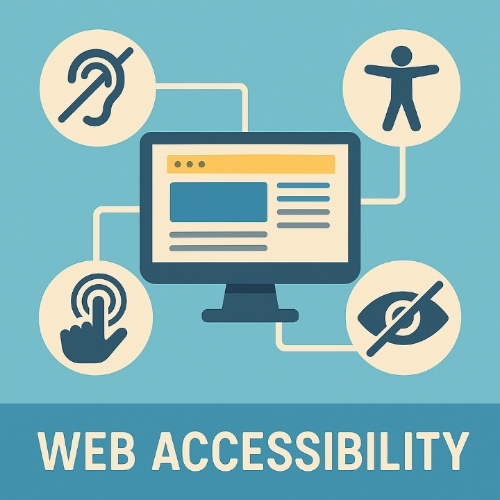
Web Accessibility:
Web accessibility encompasses the practices and principles that ensure websites are usable by people with various disabilities and limitations. This crucial aspect of web development focuses on creating inclusive digital experiences that accommodate different ways of interacting with web content, whether through screen readers, keyboard navigation, or other assistive technologies. Accessibility has evolved from a nice-to-have feature to a fundamental requirement in modern web development.
The importance of web accessibility extends beyond ethical considerations to include legal compliance and business benefits. Many countries now have strict regulations requiring websites to meet specific accessibility standards, making it a legal necessity for many organizations. Furthermore, accessible websites typically demonstrate improved usability for all users, better SEO performance, and broader market reach, making accessibility considerations an integral part of successful web development strategies.
These key phrases represent fundamental concepts in web development that continue to evolve with technological advances and changing user expectations. Understanding and implementing them effectively is crucial for creating successful, modern web applications that meet both user needs and business objectives.
Summary
Embarking on your web development journey doesn’t require a significant financial investment – just dedication and the right resources. The platforms we’ve explored offer comprehensive learning paths, interactive exercises, and supportive communities to help you succeed. Whether you prefer structured courses like freeCodeCamp and The Odin Project, or reference materials like MDN Web Docs and DevDocs, these resources provide everything you need to build a strong foundation in web development. Remember, consistency is key – even spending just an hour a day with these resources can lead to remarkable progress in your coding journey.
#WebDevelopment #CodingForBeginners #LearnToCode #FreeCodeCamp #WebDev #HTML #CSS #JavaScript #Programming #TechEducation